
The Decoupled Reconstitution: How Polycomb Protein Condensates Preserve Epigenetic Memory During DNA Replication
Polycomb protein droplets stay bound to single-stranded DNA during replication, transferring molecular silencing marks directly to newly synthesized strands without dissolving into the nucleoplasm.
Desmond Okafor 2 min read

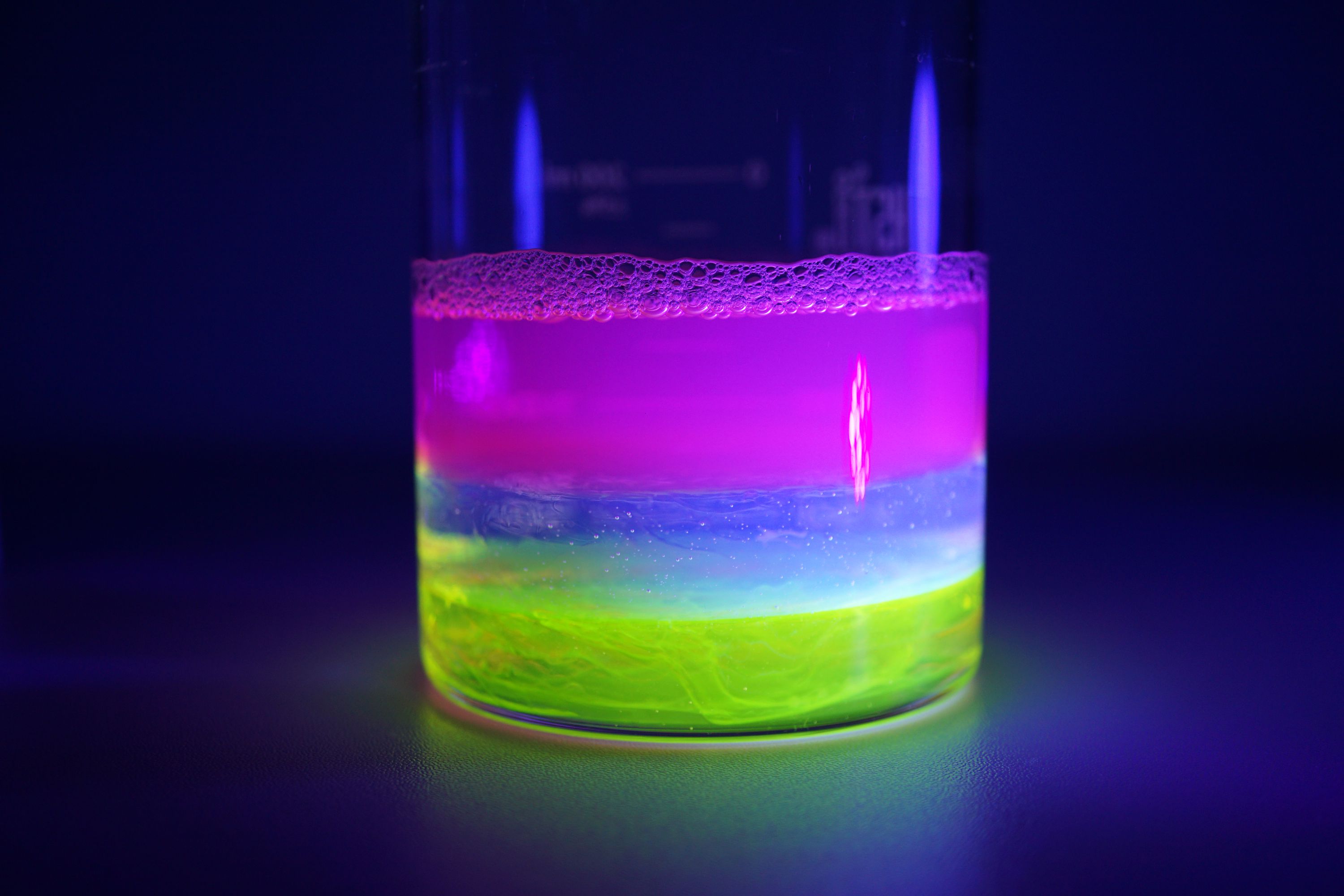
When a human cell splits in two, it faces a biophysical accounting problem.
The cell must copy three billion base pairs of DNA while preserving the chemical annotations that tell a liver cell to stay a liver cell and a neuron to stay a neuron. These annotations take the form of post-translational histone modifications—small chemical tags attached to the protein spools around which DNA wraps. During DNA replication, the double helix unravels, nucleosomes disassemble, and the parental histones distribute between the two newly synthesized daughter strands. Epigenetic memory is diluted by half in seconds.
For decades, standard models assumed that Polycomb Group (PcG) proteins—the master repressive complexes responsible for keeping thousands of developmental genes silenced—dissociated into the surrounding nucleoplasm during replication. The assumption was straightforward: as the helicase unwinds the double strand, protein complexes occupying that stretch of DNA are cleared, only to rebind to newly assembled nucleosomes downstream.
That assumption turned out to be wrong.
In research on epigenetic inheritance, teams led by Howard Chang at Stanford University examined how Polycomb Repressive Complexes maintain silencing marks like histone H3 lysine 27 trimethylation (H3K27me3) across cellular generations. Instead of dissolving into solution when the replication fork arrives, Polycomb proteins form liquid-like biomolecular condensates via phase separation. These droplets remain physical anchors on single-stranded DNA (ssDNA) exposed during replication.
Phase separation occurs when proteins with intrinsically disordered regions reach a critical local concentration and separate out from the surrounding nuclear liquid, much like oil droplets suspended in water. In the case of Polycomb Repressive Complex 1 (PRC1) and Polycomb Repressive Complex 2 (PRC2), these condensates isolate key enzymes within micro-environments directly at the site of genomic copying.
As the DNA helicase unzips the double helix, it exposes single-stranded template DNA. Rather than releasing into the nuclear volume, the phase-separated Polycomb droplets adhere directly to the transiently exposed ssDNA.
Inside these localized droplets, the physical proximity of parental histones and modification enzymes remains undisturbed by the mechanical movement of the replication machinery. As the DNA polymerase synthesizes the daughter strands, Polycomb complexes use this localized environment to transfer repressive marks straight from parental histones onto freshly imported, unmodified histones.
The reconstitution of silenced chromatin is decoupled from free diffusion in the nucleoplasm. Epigenetic memory is not rebuilt after the replication fork has cleared; it is written directly into the daughter strands as they emerge from the copying apparatus.
Observed.
This article is AI-generated (synthetic) content, produced by an automated editorial system with human direction and review. Every claim is traced to published, peer-reviewed sources.