Articles
The Venus Flytrap's Electrical Memory: How *Dionaea muscipula* Counts Calcium Spikes Before Snapping
The Venus flytrap uses transient calcium waves and action potentials to track mechanical touches over time, running a short-term memory circuit without a brain.
When Electrons Cross a Non-Centrosymmetric Barrier, Supercurrent Flows One Way Without a Magnetic Field
Physicists constructed a field-free Josephson diode using a non-centrosymmetric atomic barrier, forcing Cooper pairs to flow frictionlessly in one direction while experiencing normal resistance in reverse.
Measured
The Quantum Zeno Effect: How Repeated Measurement Prevents a Quantum State From Changing
In 1990, NIST physicists demonstrated that rapidly measuring a single trapped beryllium ion freezes its state transition, proving quantum systems can be locked in place by observation.
Measured
The Cortical Filter: How Dopamine Reorganizes Single-Neuron Computation
Dopamine does not simply boost or suppress cortical signals. Whole-cell recordings in PNAS show it dynamically reshapes how single neurons process and pass information.
Measured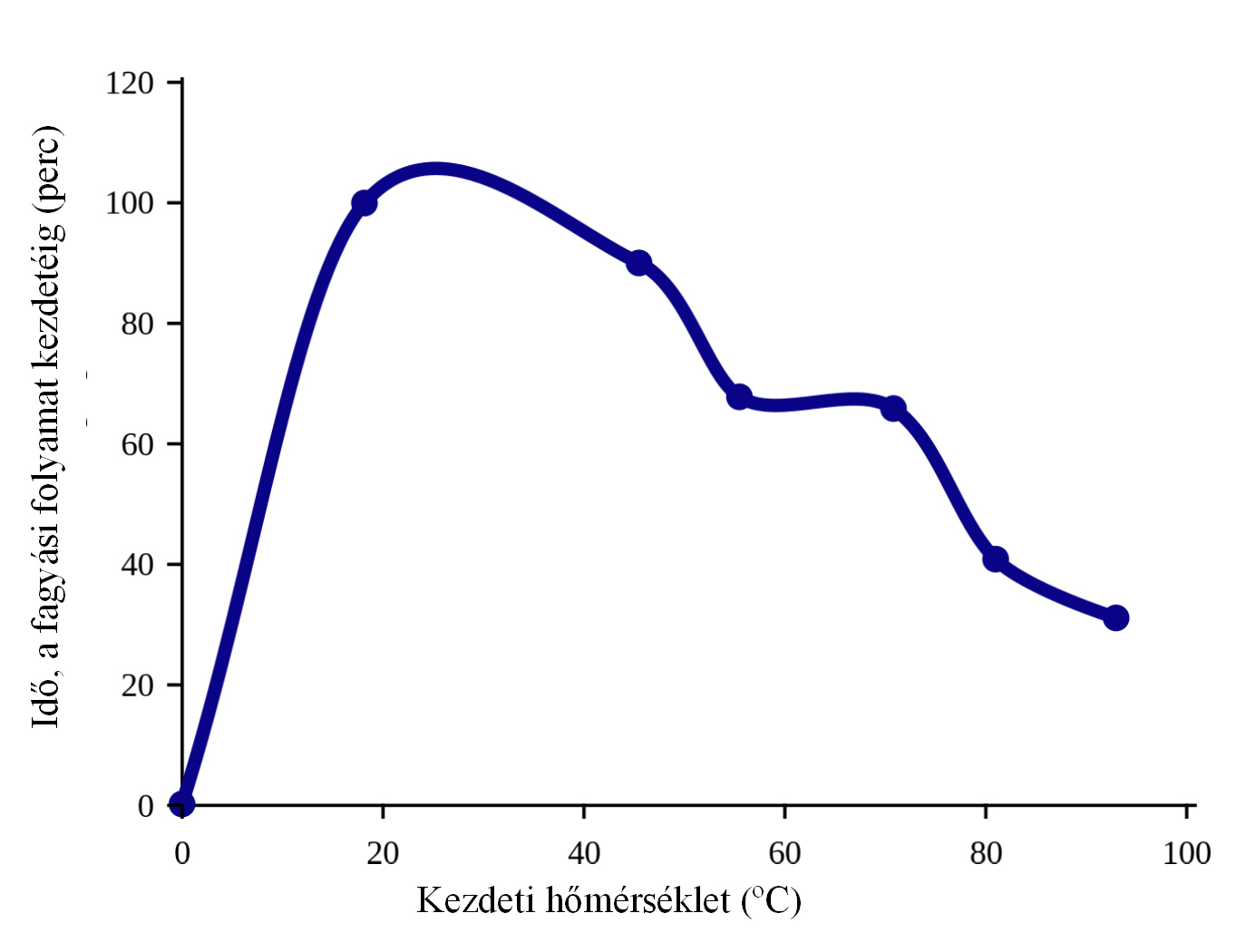
When Electrons Enter a Moiré Superlattice, They Freeze Into a Wigner Crystal Before They Can Flow
In 2021, Feng Wang and colleagues imaged electrons locking into an ordered Wigner crystal within a transition metal dichalcogenide moiré lattice, proving static repulsion stops fluid flow before conduction starts.
Measured
The Aubert-Fleischl Paradox: Why Eye Tracking Makes the World Move Slow
When your eyes track a moving object, the brain registers its speed as noticeably slower than when you hold your gaze still. Hermann Aubert documented the effect in 1886, revealing a fundamental sensory trade-off.
Measured
When Electrons Cross a Fractional Quantum Hall Edge, Their Charge Splits Into Thirds
In 1997, physicists measured shot noise in a two-dimensional electron gas to confirm Robert Laughlin's prediction that quasiparticles carry one-third of a fundamental electron charge.
Measured
The McCollough Effect: Why Staring at Colored Lines Stains Your Vision for Three Months
In 1965, Celeste McCollough discovered that pairing colored stripes alters early visual cortex wiring, tinting monochrome lines with illusory colors for months after a brief induction.
Measured
The Glass Sponge's Fiber-Optic Mesh: How *Euplectella aspergillum* Focuses Light Through Sintered Silica Nanostructures
Deep-sea glass sponges precipitate silica at ambient temperatures to grow flexible, light-guiding glass fibers that rival commercial telecommunication optics without high-temperature furnaces.
Measured
When Light Strikes Tantalum Disulfide, Electrons Freeze Before Moving
Ultrafast laser experiments on 1T-TaS2 reveal that photo-excitation forces electrons into a rigid lattice phase before thermal relaxation, defying standard band-theory models of photo-induced conductivity.
Measured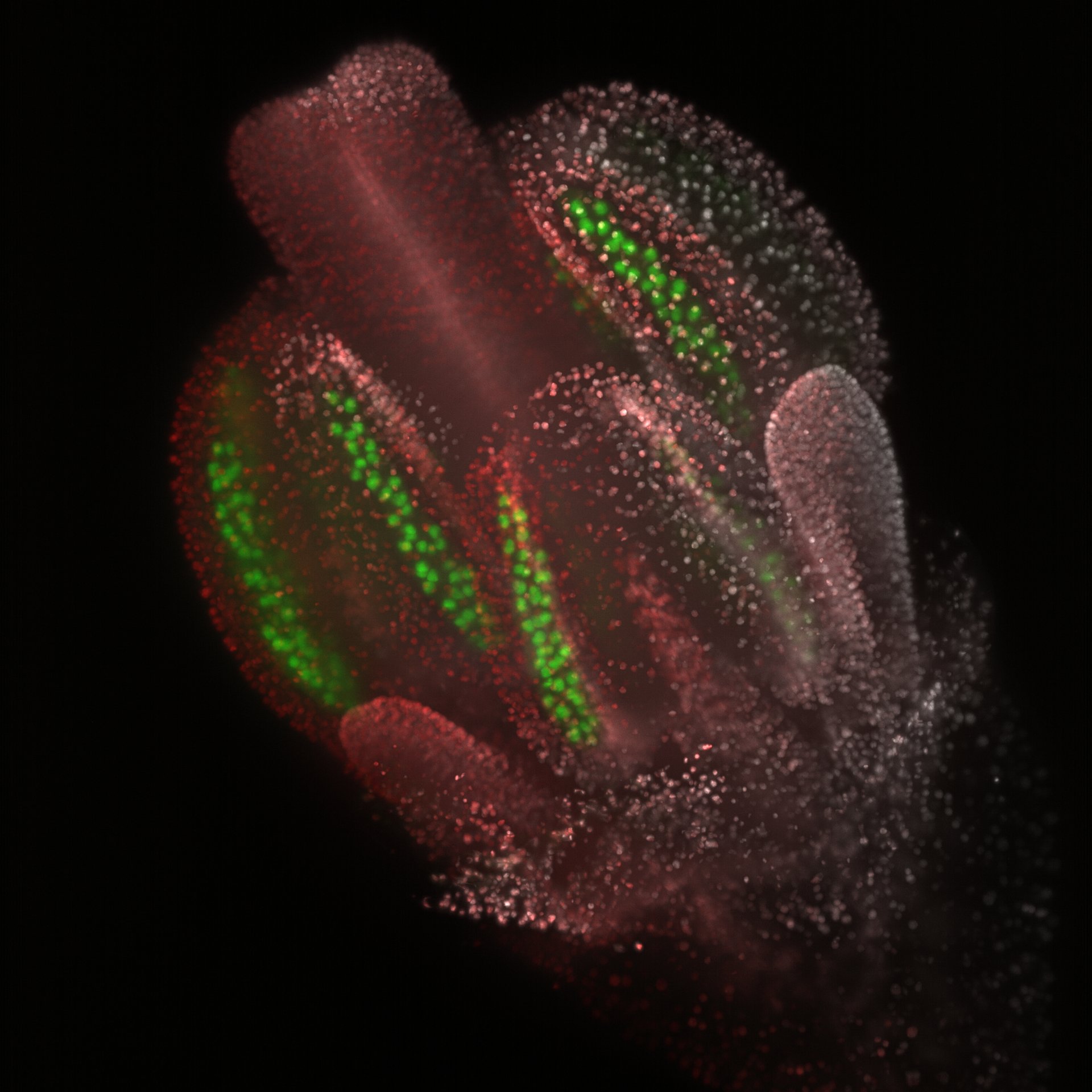
The Naked Mole-Rat's Hyaluronan Shield: How Heterocephalus glaber Halts Cancer via High-Molecular-Mass Sugar Chains
Naked mole-rats produce high-molecular-mass hyaluronan, triggering early contact inhibition to stop cancer. Transgenic mice expressing the mole-rat HAS2 gene lived longer with lower tumor rates.
Measured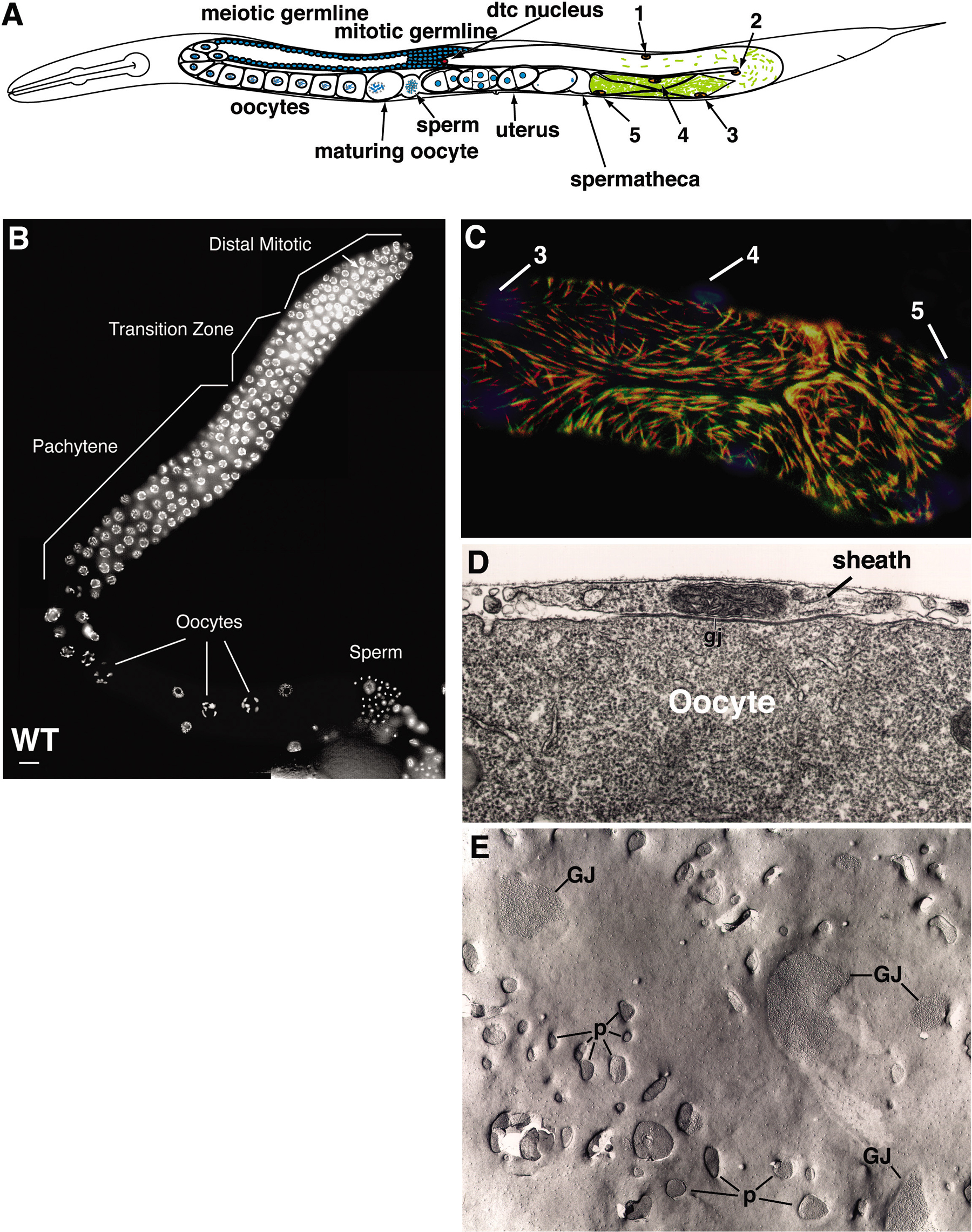
The Anisotropy of Auditory Distance: Why Your Ears Shrink Room Sizes in the Dark
Human auditory distance perception systematically compresses acoustic space, underestimating far sound sources and overestimating near ones through the brain's reliance on direct-to-reverberant sound ratios.
Measured
When Dysprosium Atoms Sit in a Vacuum, Quantum Fluctuations Hold Them Together Like a Liquid
In a University of Stuttgart lab, ultracold dysprosium atoms form self-bound quantum droplets in empty vacuum, stabilized against collapse by zero-point quantum fluctuations.
Measured
The Mantis Shrimp's Quarter-Wave Plate: How *Odontodactylus scyllarus* Converts Light with Nanoscale Protein Microtubules
The peacock mantis shrimp achieves broadband circular polarization vision using a single 150-micrometer layer of aligned tubulin proteins, outperforming synthetic optical waveplates across the visible spectrum.
Measured
The Flash-Lag Effect: Why Your Brain Sees Moving Objects in the Future
When a light flashes directly next to a moving target, your visual cortex sees the flash fall behind. Romi Nijhawan's 1994 discovery reveals how the brain offsets its own visual delays by predicting motion vector paths.
Measured
When Casimir Forces Turn Repulsive, Gold Spheres Float Above Teflon
By immersing gold and Teflon in bromobenzene, physicists turned quantum vacuum fluctuations into a repulsive force, opening a path to frictionless nanoscale levitation.
Measured
The Treehopper's Abdominal Drum and the Hidden Acoustic Network in Plants
Treehoppers communicate across plant stems using substrate-borne vibrations made by shaking their abdomens, bypassing airborne predators while filling garden stems with hidden mechanical signals.
Measured
The Phantom Array: Why Your Fingertips Merge Two Touches Into One
When two tiny pins touch your index finger millimeters apart, your brain blends them into a phantom point in the middle. Sensory neuroscientists show how cortical receptive fields continuously average tactile space.
Measured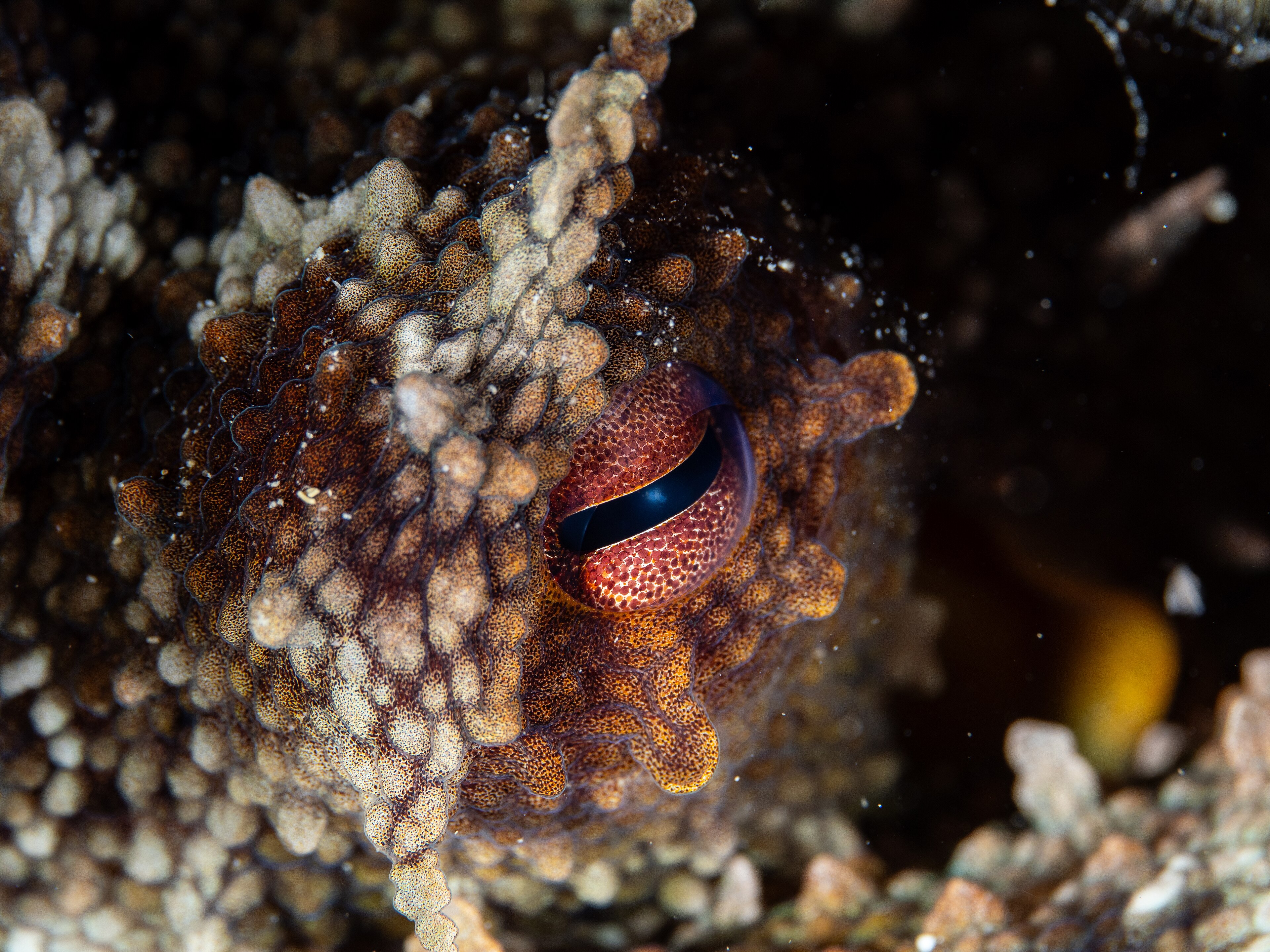
The Wasp That Turns Cockroaches Into Zombies Using a Single Spike in Dopamine
The emerald jewel wasp uses direct brain envenomation to flood a cockroach with dopamine, turning a escape-driven insect into a compliant, live host.
Measured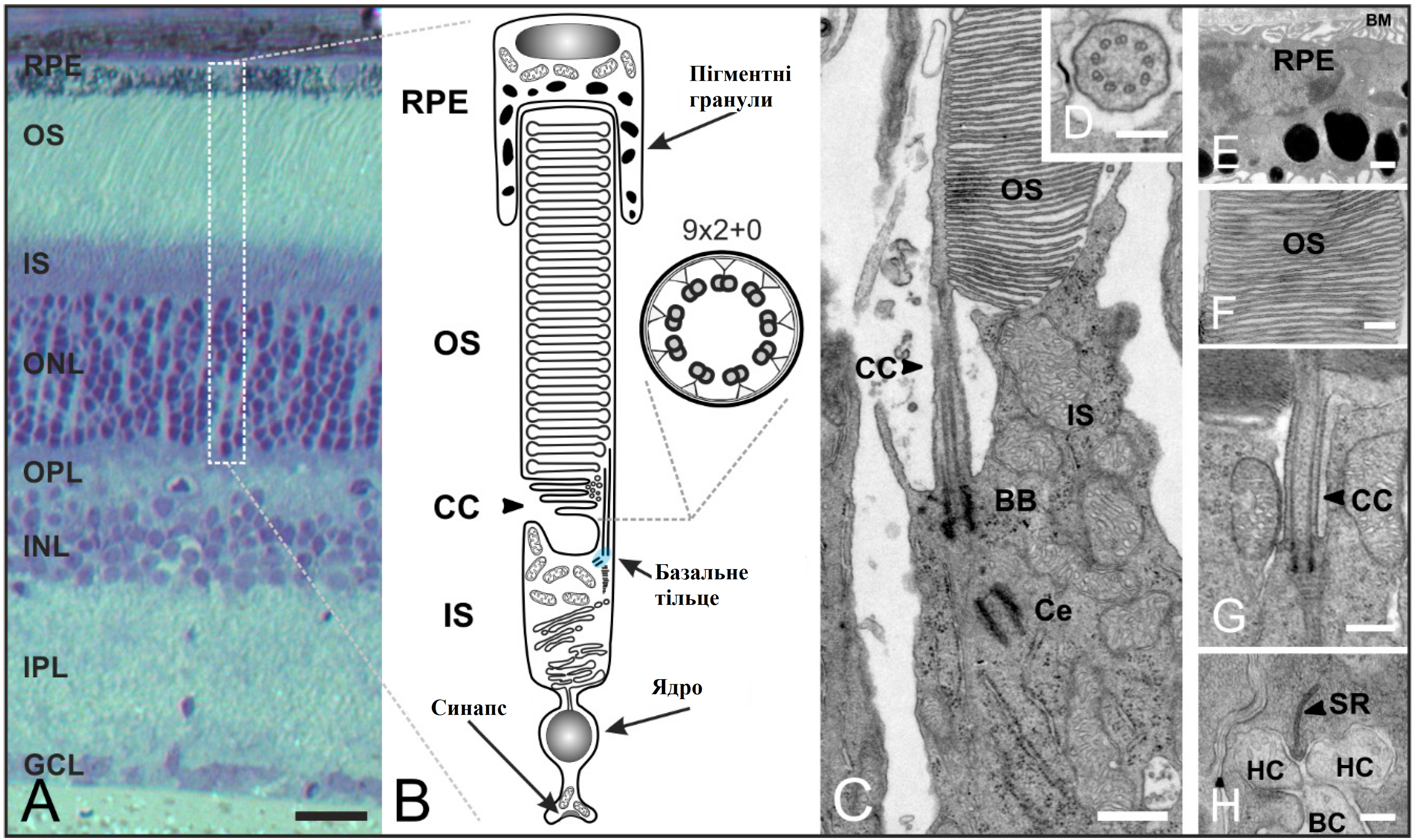
The Pulfrich Pendulum: How Darkness Delays Your Brain by 15 Milliseconds to Create 3D Depth
Place a single dark lens over one eye and a flat-swinging pendulum appears to trace an elliptical 3D orbit. The visual cortex converts a 15-millisecond retinal delay into spatial depth.
Measured
The Tardigrade Protein That Drives Human Cells Into Anabiosis Without Toxic Aggregates
Tardigrade CAHS D proteins reversibly gel human cytoplasm to slow down metabolic decay. The molecular condensation mechanism halts biological time without permanent protein misfolding.
Measured
The Size-Weight Illusion: Why a Smaller Box Feels Heavier Than a Bigger One of the Same Mass
Hold two objects of identical weight and your brain reliably misjudges the smaller one as heavier, exposing how deeply sensory expectation overrides primary kinetic data.
Measured
The Slime Mold Gene That Enforces Altruism Without a Brain
A single cell-surface protein in Dictyostelium discoideum allows altruistic amoebae to recognize each other, building a living tower while keeping evolutionary cheaters from taking over.
Measured
The McCollough Effect: Why Staring at Colored Lines Stains Your Vision for Months
Staring at colored stripes for fifteen minutes rewires how your visual cortex processes plain black-and-white lines, producing an illusory tint that can linger for months.
Measured
The Superconductor That Gets Stronger When You Crush It Under Shear Stress
In non-hydrostatic strain experiments, physicists found that directional mechanical stress can boost a superconductor's critical temperature far beyond isotropic pressure limits, defying standard theoretical bounds.
Measured
The Desert Ant That Uses Earth's Magnetic Field as a Visual Reset Button
Before foraging, desert ants perform pirouettes using Earth's magnetic field to glance at their unseen nest, calibrating their visual navigation system before venturing across featureless terrain.
Measured
The Thermal Grill Illusion: Why Warmth and Cold Burn Your Skin
When warm and cool bars are laid side-by-side, touching them simultaneously tricks the spinal cord into signaling a burning heat—revealing that pain is a computed differential rather than a simple thermometer.
Measured
The Quantum Tunneling Clock: Why Electrons Exit a Barrier Without Delay
Using an ultrafast attoclock, ETH Zurich physicists measured electron tunneling through a barrier with no measurable time delay, showing the quantum barrier traversal is effectively instantaneous.
Measured
The Cheerio Effect: Why Surface Tension Forces Floating Objects to Clump
Floating objects deform liquid surfaces to create subtle menisci that drive them together or push them to container walls, driven by gravity and capillary attraction.
Measured
When Gold Shrinks to Four Atoms, It Stops Conducting Electricity
Stretched into a chain just four atoms long, gold abandons its metallic nature and opens an electronic energy gap, behaving instead as a semiconductor.
Measured
The Benham's Top Paradox: How Flickering Black-and-White Arcs Force the Retina to See Color
Spinning a purely black-and-white disk trickles temporal flicker signals down the visual pathway, forcing retinal cones and the visual cortex to generate illusory rings of red, green, and blue.
Measured
Stretching Synthetic Opals Shifts Light Into Colors That Optical Intuition Forbids
In 2021, Heeso Kim and researchers at KAIST proved that stretching elastic synthetic opals alters their internal crystal symmetry, forcing reflected light into unexpected optical bands in real time.
Measured
The Wasp That Programs a Spider to Weave a Parasite Cocoon
When parasitic wasps target orb-weaving spiders, they hijack an innate molting routine to force the host into building a reinforced cocoon web before consuming it.
Measured
The Cutaneous Rabbit Illusion: How Your Nervous System Rewrites the Space Between Touches
When rapid taps are applied to your wrist and elbow, your brain fills in non-existent taps along your arm. Discovery and fMRI evidence reveal how the nervous system postdicts physical reality.
Measured
The Aubert Effect: Why Tilting Your Head Rotates Your Brain's Visual Vertical
In the dark, tilting your head makes a straight vertical line appear to tilt in the opposite direction. Known as the Aubert effect, it reveals how the brain miscalculates gravity when visual walls disappear.
Measured
Inside a Crystal, Sound Waves Spin Like Electrons
Experimental measurements prove that acoustic phonons in non-centrosymmetric crystals carry intrinsic spin angular momentum, overturning century-old assumptions about lattice vibrations.
Measured
Inside a Carbon Nanotube, Water Forgets How to Freeze
When squeezed into carbon channels less than two nanometers wide, liquid water loses its rigid hydrogen-bond network, collapsing into a flickering, highly dispersed state.
Measured
The Differential Growth Math That Bends Rose Petals Into Saddle Shapes
Rose petals form their distinctive sharp cusps through a subtle geometric conflict known as Mainardi-Codazzi-Peterson incompatibility, bucking long-held assumptions about how plant tissues shape themselves.
Measured
The Quantum Casimir Torque That Twists Rotors in a Vacuum
In a landmark experiment, researchers led by Jeremy Munday proved that quantum vacuum fluctuations alone can exert a physical rotational torque on a disk, laying the groundwork for contact-free micro-machines.
Measured
The Lizard That Breathes Underwater with a Recycled Bubble
How a tiny Costa Rican anole uses hydrophobic skin and an expanding bubble on its snout to act as a physical gill, defying vertebrate physiological limits.
Measured
The McCollough Effect: Why Staring at Colored Lines Can Tint Your Vision for Months
Staring at colored stripes can recalibrate your visual cortex, leaving a contingent color aftereffect on black-and-white grids that persists for weeks or months.
Measured
The Wasp That Disables a Cockroach's Will to Walk
The jewel wasp uses precise central nervous system stings to hijack cockroach behavior, systematically manipulating dopamine pathways to suppress spontaneous walking while leaving motor reflexes intact.
Measured
The Missing Flash: Why the Visual Cortex Erases Light During Your Eye's Fastest Movements
Your eyes snap across the world thousands of times an hour, yet you never see motion blur. Neural signals actively erase visual input during every eye jump—and backdate the footage so you never notice.
Measured
How Photons Open Vacancies in an Already Full Quantum Hotel
Physicists have mapped David Hilbert's infinite hotel paradox onto twisted beams of light, multiplying orbital angular momentum quantum numbers to open infinite vacancies without evicting a single state.
Measured
The Molecular Camera on the Vampire Bat's Nose
The common vampire bat maps subcutaneous veins using a modified pain receptor on its nose, turning an evolutionary alarm system into a high-precision thermal camera.
Measured
The McGurk Effect in Touch: How Seeing a Tap Rewires the Primary Somatosensory Cortex
When visual cues conflict with touch, high-field fMRI shows the primary somatosensory cortex alters its map of physical pressure to match what your eyes see.
Measured
The Quantum Casimir Reversal That Repels Gold in Liquids
In 2009, Jeremy Munday and Federico Capasso measured a repulsive Casimir force between gold and silica in bromobenzene, proving quantum vacuum fluctuations can push objects apart instead of pulling them together.
Measured
The Ant That Performs Surgical Amputations to Save Colony Members
In a 2024 study, Erik Frank discovered that Florida carpenter ants assess leg wounds on nestmates and perform targeted amputations, making them the only animal besides humans to use surgery for disease control.
Measured
The Grid That Steals Your Peripheral Vision: Why Curves Flatten Away from the Fovea
Fixate on the center of a concentric grid and its outer curves straighten into a blocky, rectilinear pattern. The visual cortex trades away curvature detection to align edges far from the center of gaze.
Measured
The Josephson Diode That Conducts Supercurrent in Only One Direction Without a Magnetic Field
Physicists have realized a field-free Josephson diode that carries zero-resistance supercurrent forward while acting as a resistor in reverse, opening a path to dissipationless quantum logic circuits.
Measured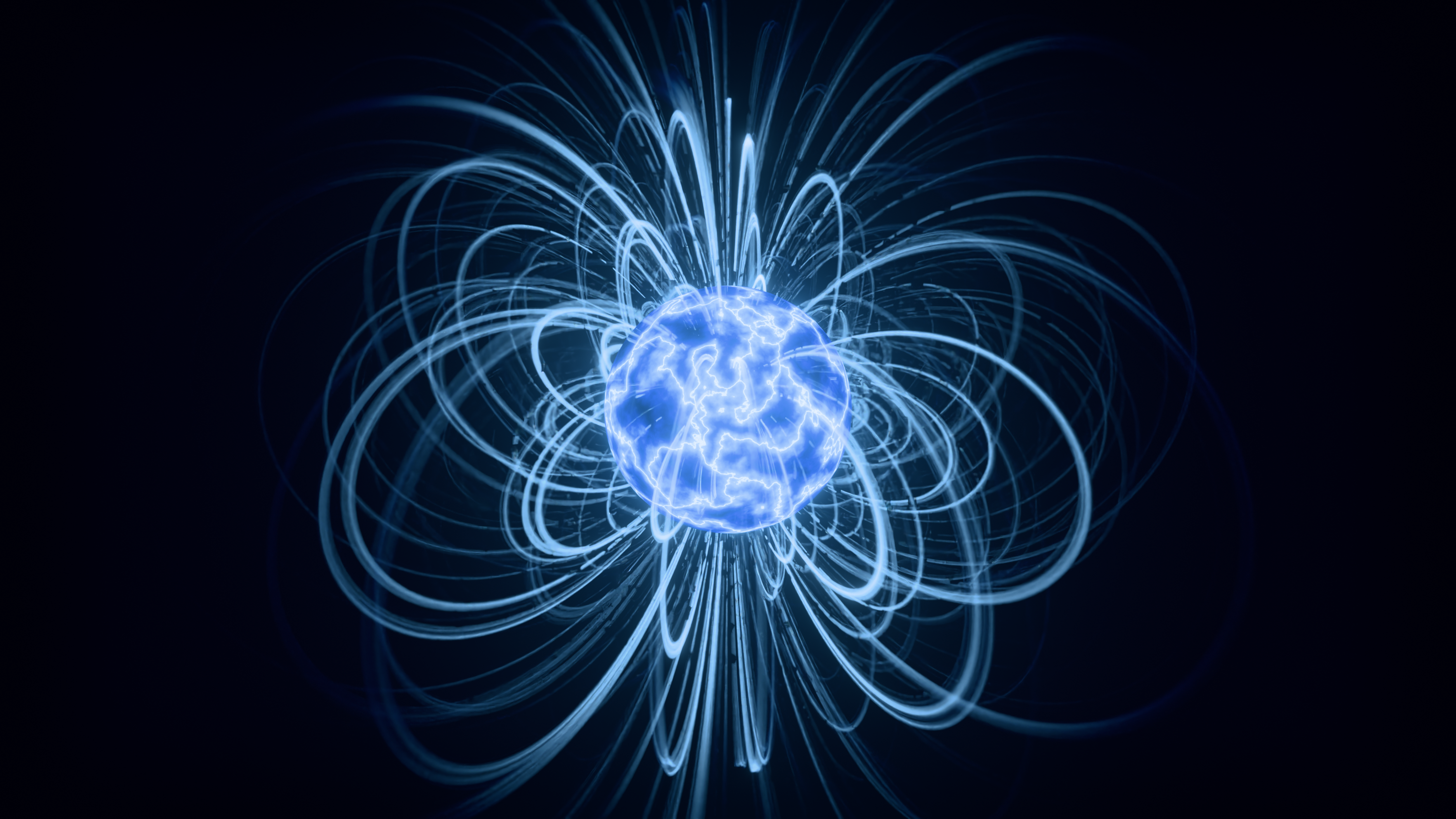
The Wagon Wheel Illusion in Steady Light: How the Cortex Takes Discrete Snapshots of the Moving World
The classic illusion of a spinning wheel reversing direction isn't just a cinema artifact. It occurs under steady sunlight, revealing that our brains process visual motion in discrete, camera-like frames.
Measured
The Quantum Acoustic Diode That Directs Sound Only One Way
Physicists have constructed a silicon-chip micro-cavity that forces acoustic phonons to travel in a single direction, breaking reciprocal symmetry without bulky magnets.
Measured
The Memory Contained in Living Pipes
The single-celled slime mold Physarum polycephalum encodes physical memories of its environment by dynamically widening and shrinking its interconnected network of fluid-filled tubes.
Measured
The Rubidium Superfluid That Accelerates Toward the Push
WSU physicists engineered a spin-orbit coupled Bose-Einstein condensate of rubidium atoms where the dispersion relation bends, creating an effective negative mass that moves backward when pushed.
Measured
The Mario Turing Machine: Why a Video Game Level Can Be Mathematically Undecidable
Computer scientists have proven that determining whether certain 2D Super Mario levels can be beaten is mathematically impossible, reducing the video game's mechanics to Alan Turing’s famous halting problem.
Measured
The Optical Experiment That Forced Physics to Choose Between Two Realities
A 2019 Heriot-Watt University experiment physically realized a classic quantum thought experiment, proving that two observers can measure the same system and establish mutually exclusive, yet equally valid, facts.
Measured
The Fat Face Thin Illusion: Why Inversion Tricks the Brain into Seeing a Narrower Portrait
When you flip a portrait upside down, it instantly appears narrower. Discover how this subtle geometric illusion exposes the limits of the brain's specialized facial recognition centers.
Measured
The Sucker's Pocket: How the Octopus Evolved an Ion Channel to Taste by Touch
Using cryo-electron microscopy, biophysicists have resolved the structure of the octopus's chemotactile receptor, showing how an ancestral brain protein evolved to bind greasy, water-insoluble molecules on the seafloor.
Measured
The McCollough Effect: Why This Image Can Lock a Color Into Your Cortex for Months
Staring at green and red striped grids can trick your brain's primary visual cortex into projecting phantom colors onto black-and-white lines for days, weeks, or even months.
Measured
The Quantum Casimir Torque That Rotates Matter in the Dark
A subtle twist in the quantum vacuum, first predicted in 1978, has finally been measured in the laboratory, proving that empty space can physically rotate objects without any contact or applied force.
Measured
The Tritone Paradox: Why Your Brain Hears an Upward Jump as a Falling Note
Two people listening to the exact same pair of computer-generated tones will hear opposite musical intervals. Diana Deutsch's 1986 discovery reveals how our brains use a learned, language-dependent map of pitch space.
Measured
The Quantum Compass Inside a Songbird’s Eye
Biophysicists have mapped how cryptochrome-4 proteins in the retinas of European robins operate as light-sensitive magnetic compasses, utilizing electron spin states that persist long enough to sense Earth's field.
Measured
The Franssen Effect: Why Your Ears Can't Find a Sound in a Room
The Franssen effect reveals that when a steady sound shifts across a room, your brain ignores the physical change, relying entirely on the initial sound to determine where it is coming from.
Measured
The Quantum Spin Hall Effect That Persists in Monolayer Ruthenium Trichloride
A research team led by Young-Woo Son in 2025 measured the quantum spin Hall effect in a single-layer crystal of ruthenium trichloride without needing any external magnetic field.
Measured
The Mirror in Your Motor Cortex: Why Your Brain Ignores Robotic Movements That Don't Look Human
Watching a robotic arm move barely registers in your brain’s motor simulation network, but a human hand immediately triggers corresponding neural firing, scaling precisely with how human-like the observed agent is.
Measured
The Flicker-Fusion Trap: How Rapid Patterns Hijack a Predator’s Velocity Tracking
Striking butterfly wing patterns work with wingbeats to create a dynamic "barber-pole" illusion in flight, feeding false motion cues to predators and causing them to miss attacks in the final milliseconds.
Measured
The Latency Loophole: How Dark Filters Warp Moving Space in Three Dimensions
Placing a dim filter over one eye tricks the brain into rendering a flat, side-to-side pendulum swing as a deep 3D ellipse, exposing the biological lag of our visual processing.
Measured
The Transparent Brain: How CRISPR Unlocked the Cuttlefish's Hidden Camouflage Signals
By knocking out pigmentation genes and introducing fluorescent proteins, researchers have bypassed the skin's barrier to see how cephalopods program camouflage.
Measured
The Troxler Disappearance: Why Your Peripheral Vision Fades to Gray
When you stare at a central target, stationary objects in your periphery vanish within seconds. This optical illusion reveals how the visual system filters out unchanging sensory data to prevent neural overload.
Measured
The Aubert-Fleischl Paradox: Why Your Eyes Lie About the Speed of a Moving Target
When your eyes track a moving object, the brain underestimates its speed. New research reveals the neural mismatch between the moving retina and the motor signals that guide our gaze.
Measured
Bismuthene Confirms Its Topological Status at Room Temperature
Physicists have successfully mapped the large-gap quantum spin Hall effect in bismuthene at room temperature, establishing a stable path toward dissipationless edge transport on silicon carbide.
Measured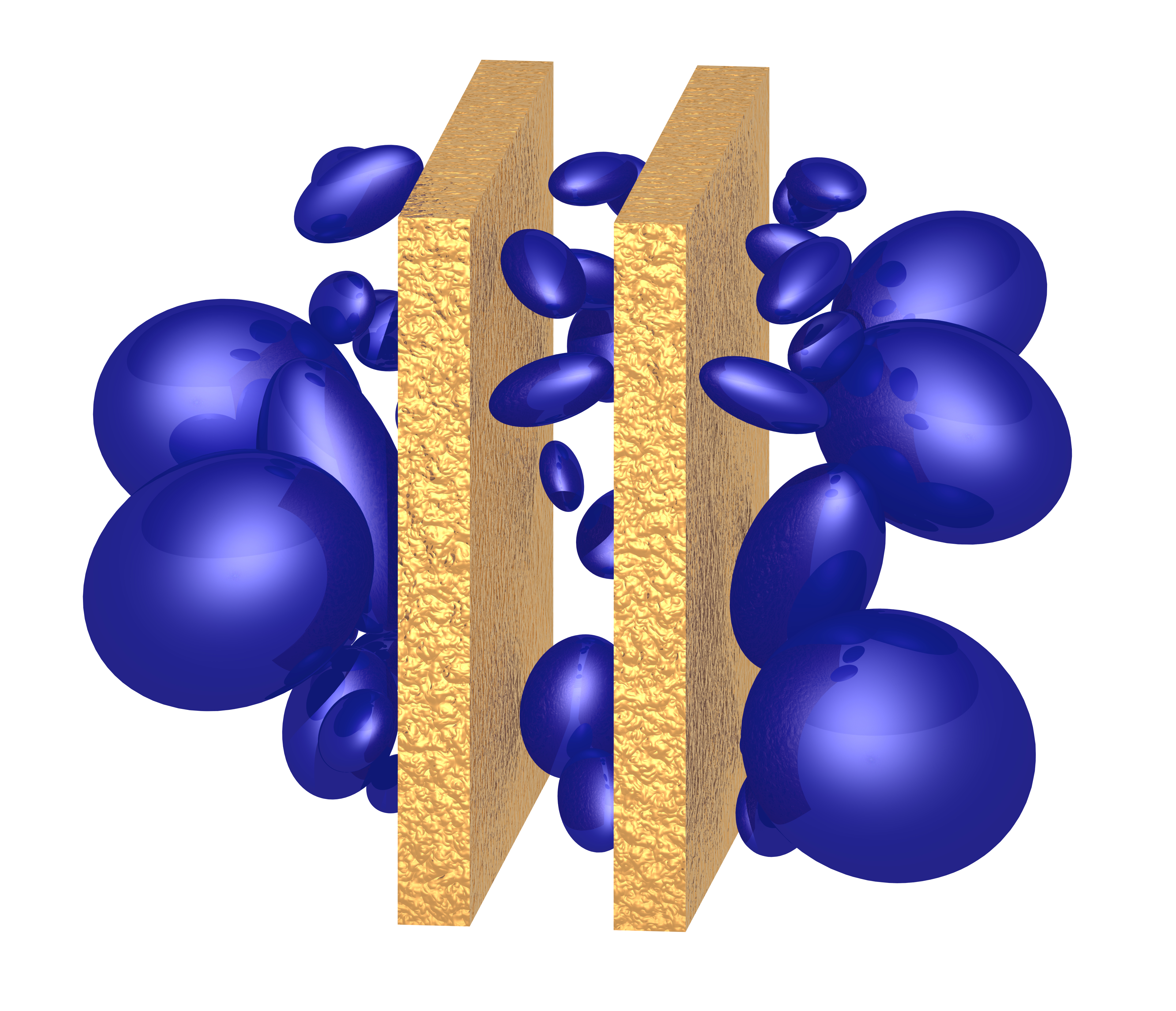
The Snail That Runs on Hydrogen
Deep-sea Alviniconcha snails house intracellular bacteria that extract metabolic energy directly from hydrogen gas, demonstrating how animal life can run on the universe's simplest element.
Measured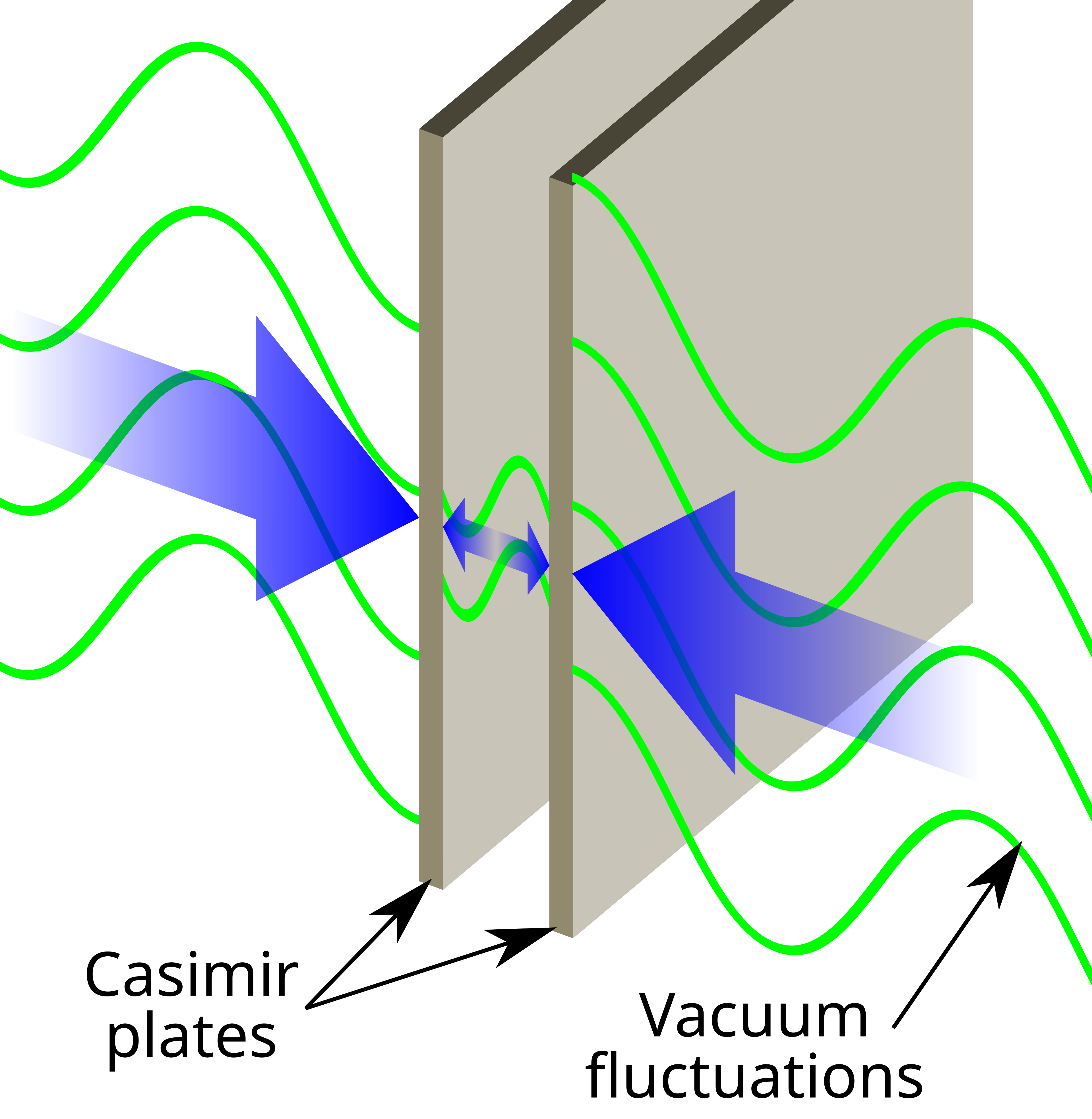
The Flash-Lag Effect: Why Your Brain Sees the Future of a Moving Object—and Misses the Present
When a light flashes directly aligned with a moving object, your brain perceives the flash lagging behind. This visual illusion reveals how the neural visual pathway uses prediction to make up for processing delays.
Measured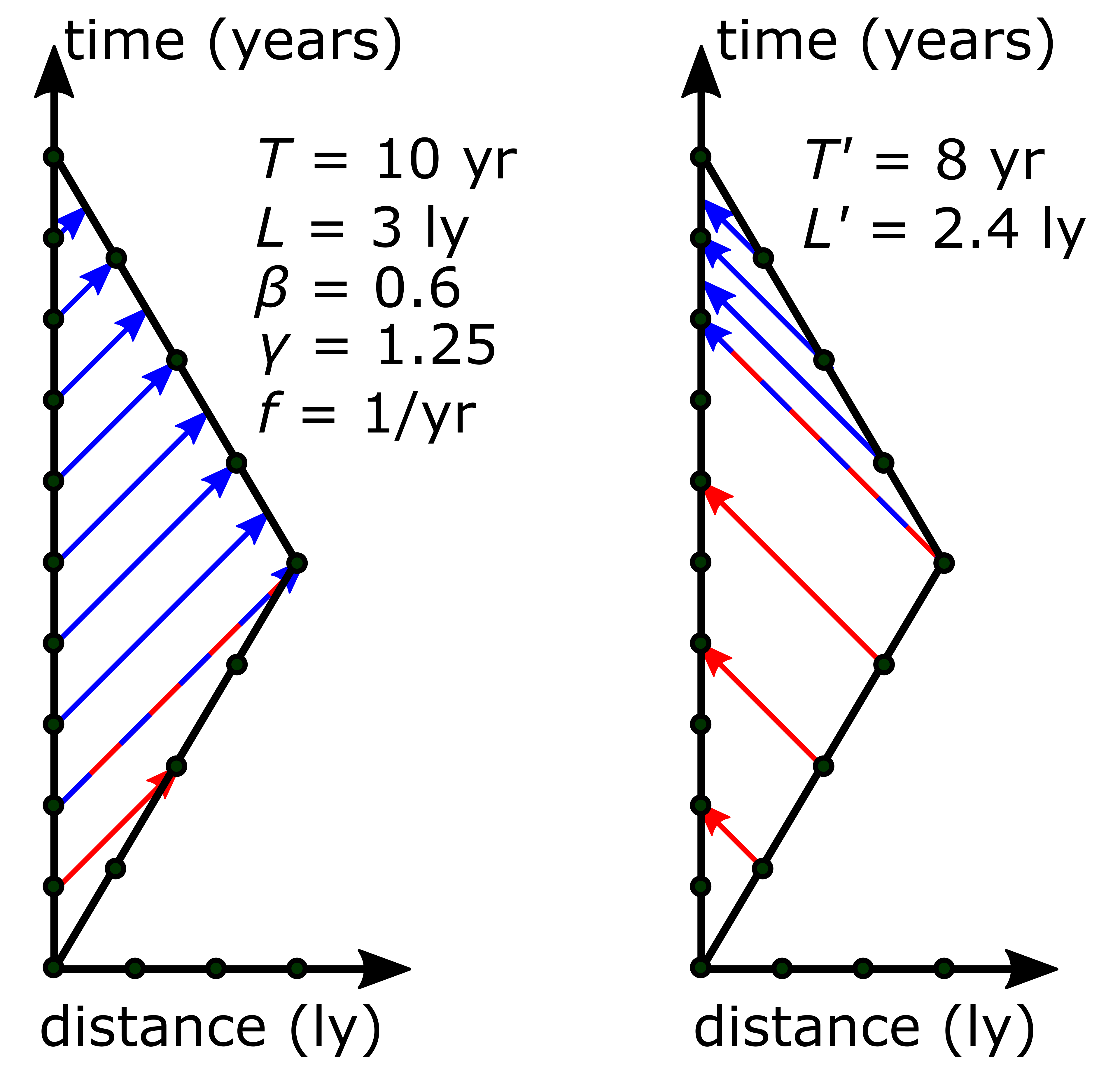
The Retroactive Touch: How the Brain Rewrites the History of Your Skin
The cutaneous rabbit illusion proves our sense of touch is a retroactive reconstruction, with the brain mapping physical location post-hoc to align with internal expectations of movement.
Measured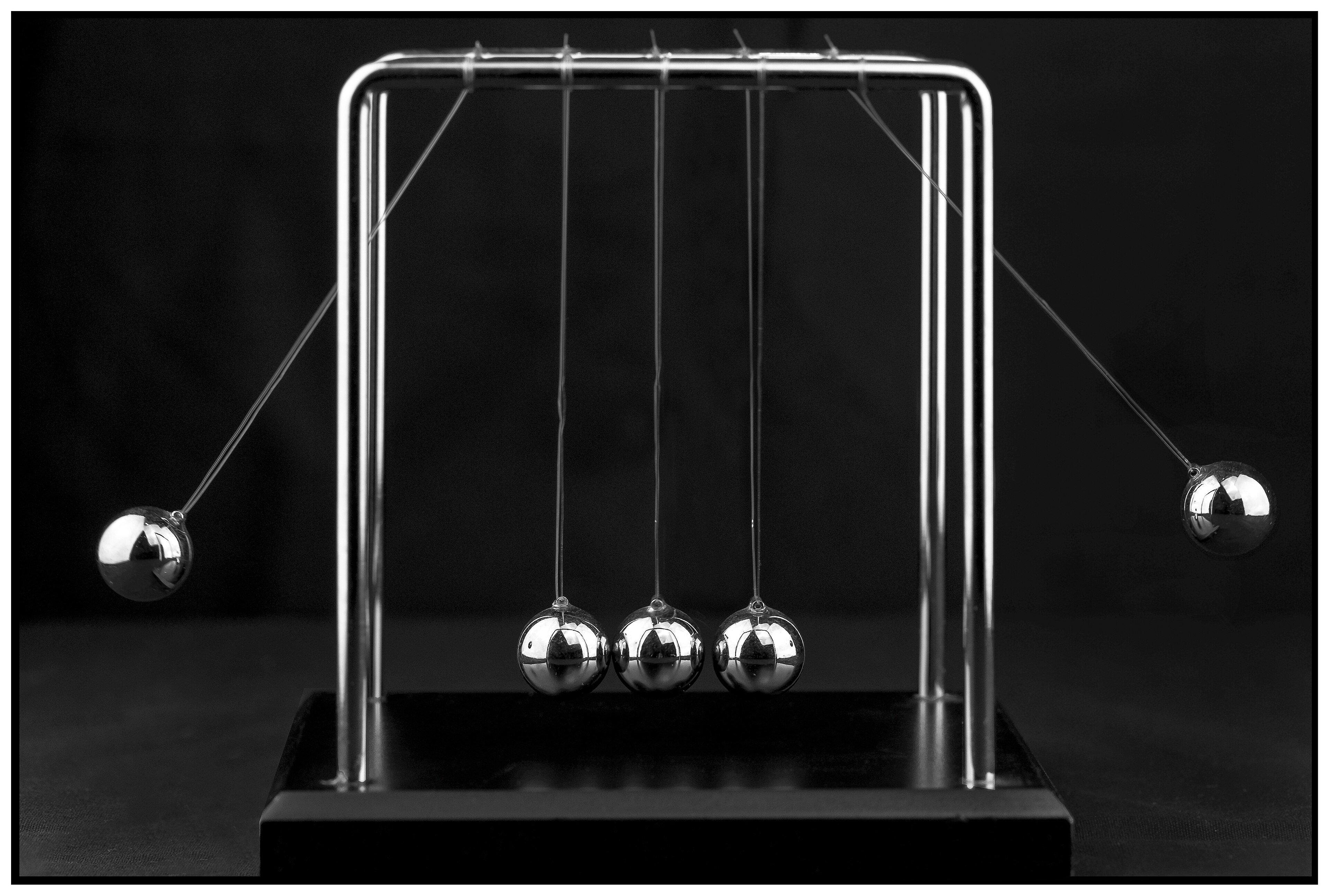
The Peltier Effect in Reverse: The Solid-State Engine That Runs on Cold
By coupling a thermoelectric generator to a sky-facing emitter, researchers have developed a battery-free solid-state device that harvests electricity from the cold of deep space.
Measured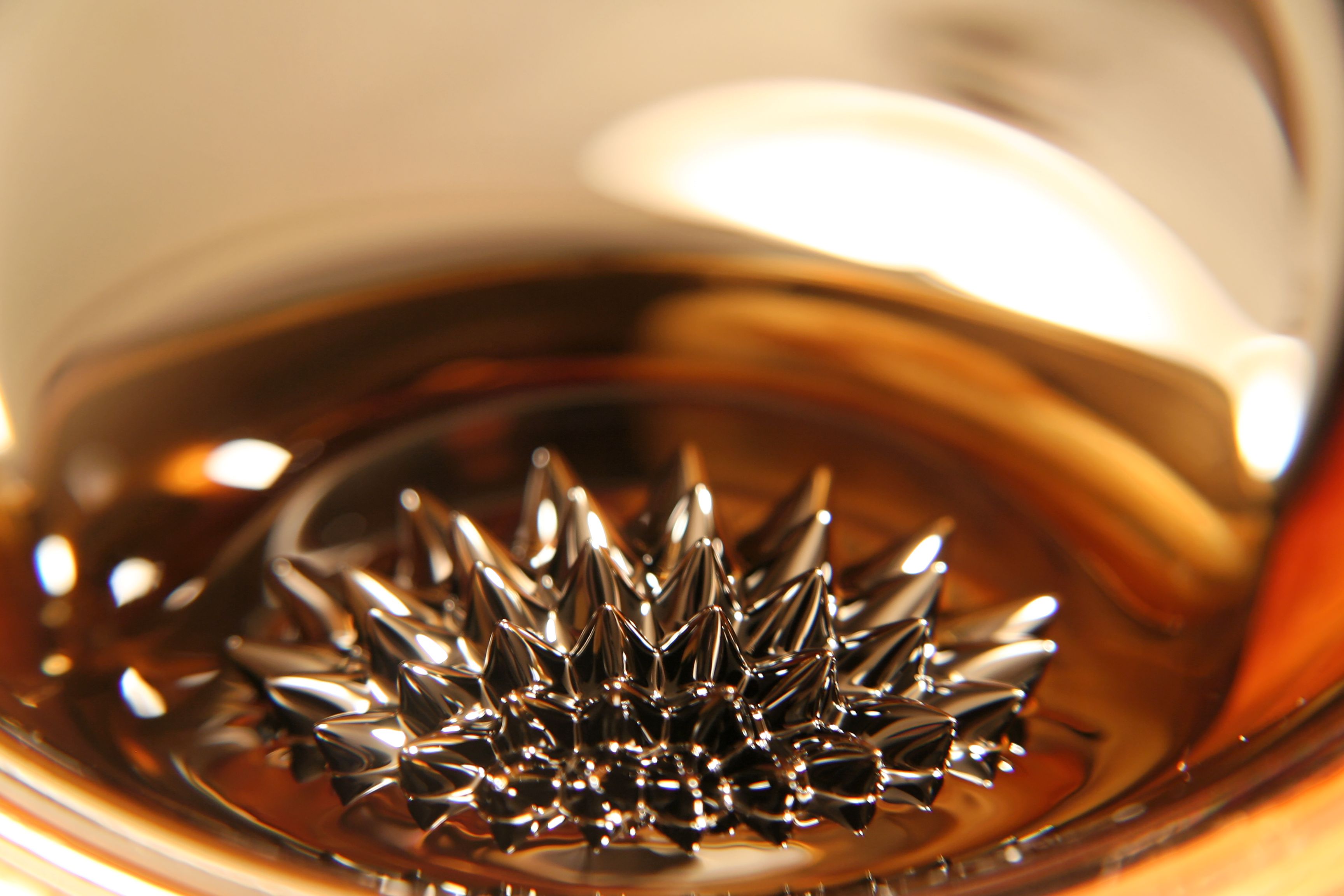
The McCollough Effect: Why These Grayscale Stripes Will Look Pink for the Next Three Months
A simple pairing of colored stripes locks a semi-permanent calibration into your primary visual cortex, altering color perception for weeks. Neuroimaging studies reveal how this long-lasting cellular adaptation occurs.
MeasuredThe Lazarus State: How Uranium Ditelluride Revives Superconductivity at 65 Tesla
Physicists led by Sheng Ran have discovered that uranium ditelluride undergoes reentrant superconductivity, surviving and thriving inside destructive magnetic fields up to 65 tesla.
Measured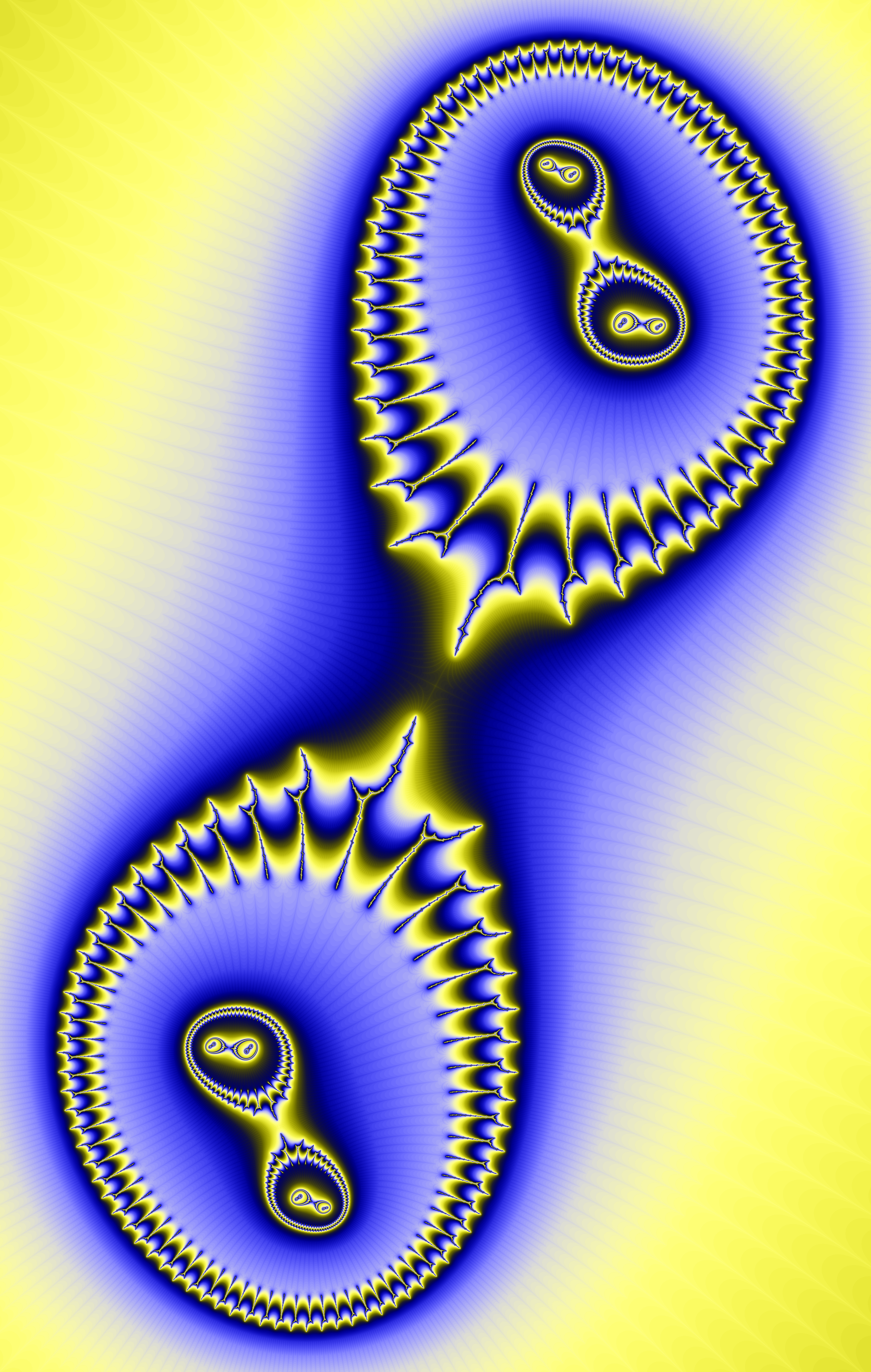
The Vacuum That Pushes Back
In 2009, physicists reversed the Casimir effect, turning a quantum force that normally pulls objects together into a repulsive push that can levitate nanoscale components.
MeasuredThe Intestinal Muscle That Calculates Its Own Rhythm
Researchers led by Arthur Beyder discovered that specialized mechanosensitive channels in the gut's interstitial cells of Cajal physically measure shear stress to coordinate digestion without the brain.
Measured
The Braess Paradox in Your Walk: Why Closing a Shortcut Speeds Up Your Commute
Adding a new path to a congested network can unexpectedly slow down travel times, but removing choices can make traffic, pedestrians, and even physical objects move faster.
MeasuredThe Magnetic Monopoles That Heat Up When Cooled
In spin ice crystals, emergent magnetic monopoles defy thermodynamics under a magnetic field, drawing in heat to grow warmer as their surroundings cool.
MeasuredThe Wasp That Programs a Spider to Spin a Steel Cage
How the parasitic wasp Reclinervellus nielseni hijacks the orb-weaver spider Cyclosa argenteoalba, forcing it to remodel its web into a reinforced cocoon.
MeasuredThe Charpentier Illusion: Why Larger Objects Feel Lighter Than They Physically Are
Pick up two boxes of identical weight but different sizes, and your brain tricks you into feeling that the smaller one is heavier. The classic size-weight illusion reveals a glitch in our motor control system.
Measured
The Crystal That Vibrates Without Consuming Energy
Physicists have engineered a continuous time crystal in an optical cavity, creating a phase of matter that oscillates indefinitely without absorbing energy.
MeasuredThe Crowding Illusion: Why the Edge of Your Eye Sees Objects That Aren't There
In the peripheral vision, close-packed shapes merge into entirely new, illusory objects. This phenomenon, known as visual crowding, reveals how the brain compresses data to construct our field of view.
Measured
The Glass That Expands When Squeezed
Scientists have measured a molecular glass that expands along the direction of compression under pressure, challenging textbook mechanics and opening new paths for impact-resistant materials.
Measured
The Troxler Effect: Why Staring Makes the World Vanish
Stare at a single point and your peripheral vision fades to a uniform gray. Discover how a 200-year-old sensory illusion reveals the brain's active mechanism for erasing unchanging visual data.
Measured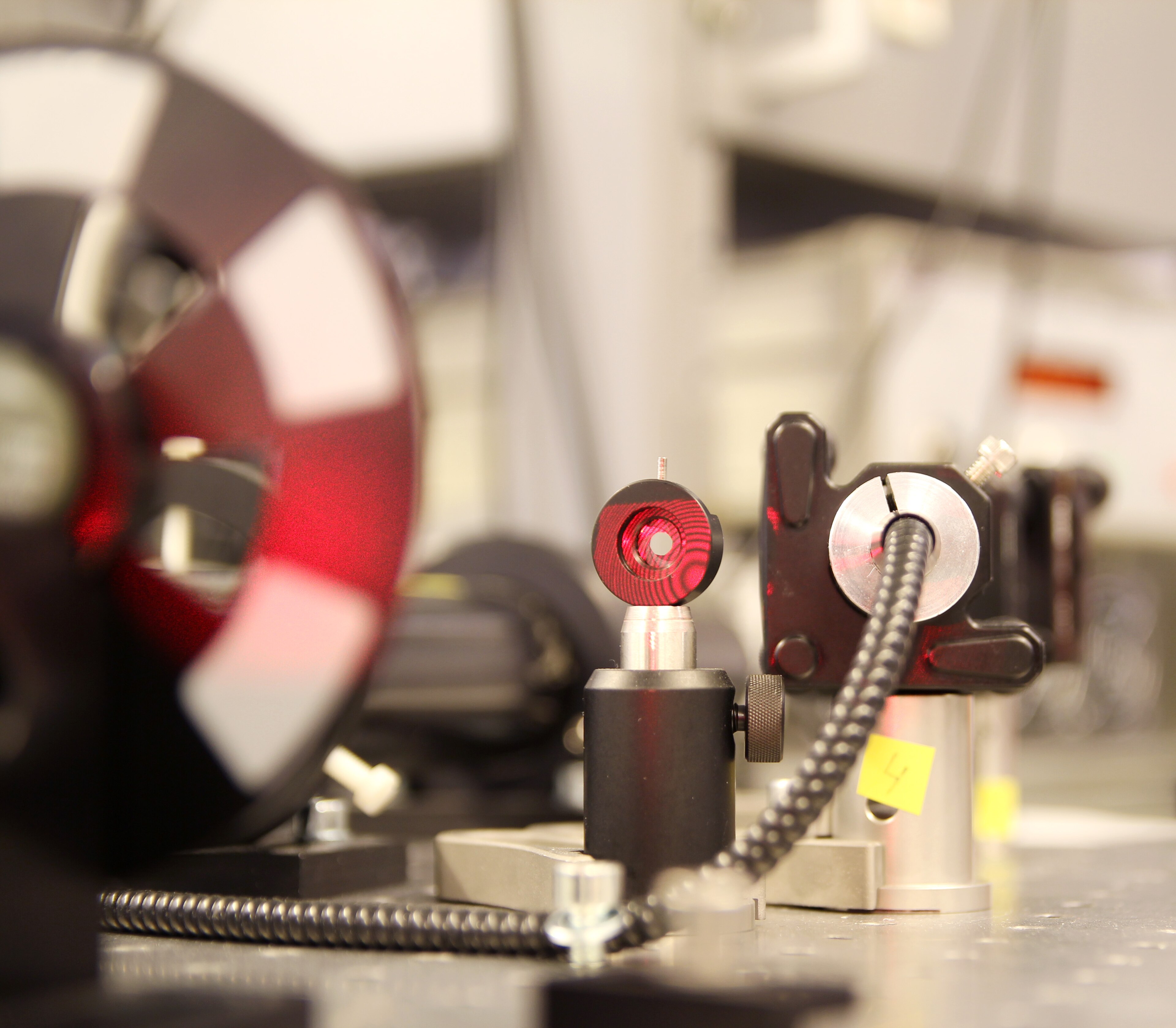
The One-Way Superconductor That Defies Reciprocity
Physicists have bypassed Onsager’s relations to create a Josephson diode, allowing superconducting current to flow in only one direction without an external magnetic field.
Measured
The Zero-Viscosity Film That Climbs Walls
When liquid helium-4 is cooled below 2.17 Kelvin, it enters a superfluid state and spontaneously climbs the walls of its container, demonstrating quantum mechanics on a macroscopic scale.
MeasuredWeber’s Illusion: Why a Constant Width Shrinks Across Your Skin
A classic sensory experiment shows that your brain measures physical distance based on local receptor density, distorting the world as objects move across your skin.
MeasuredThe Animals That Fuse Into One
When two comb jellies are injured, they do not merely heal. They merge their skin, digestive tracts, and nervous systems to become a single, fully integrated organism.
Measured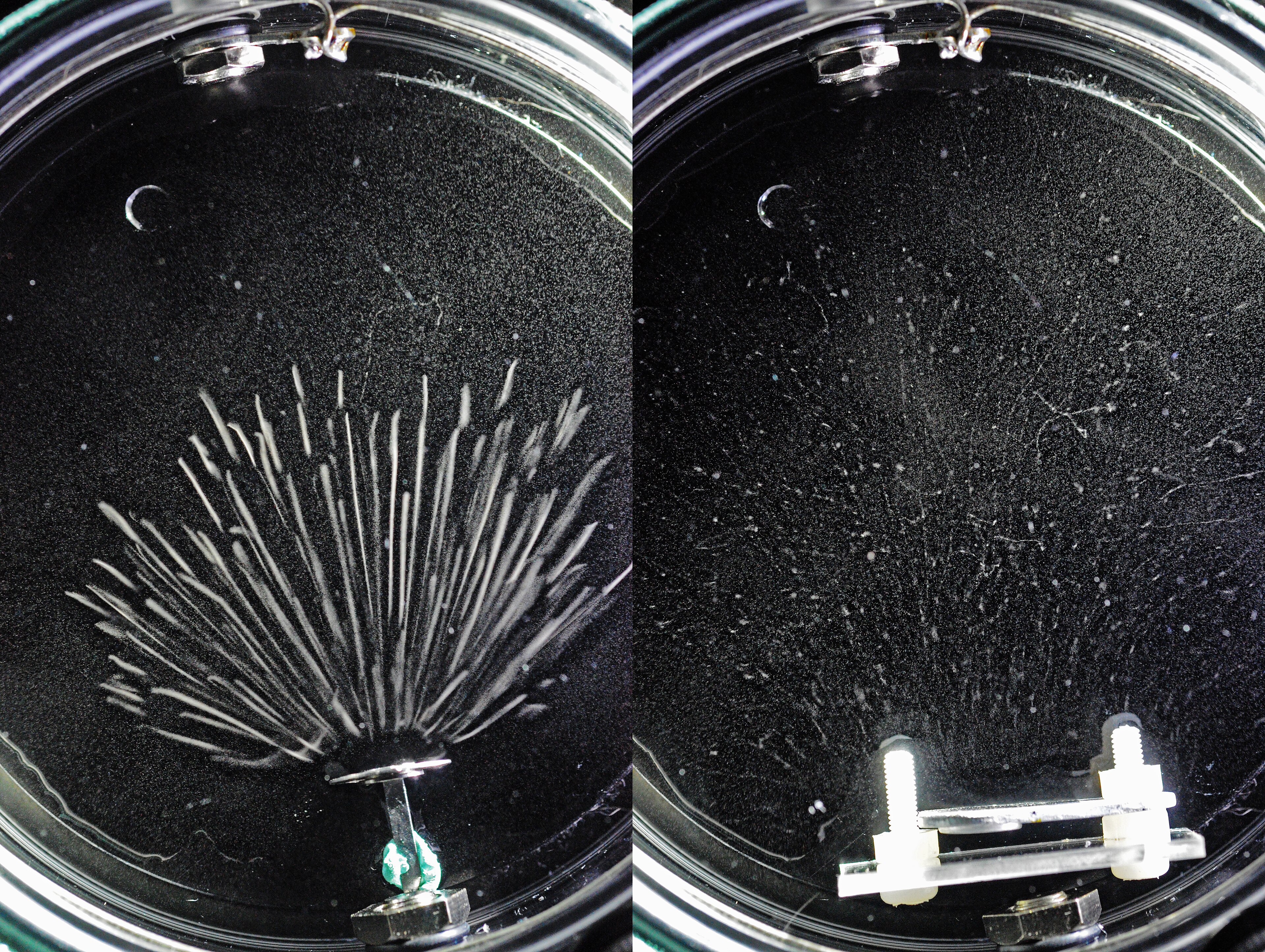
The McCollough Effect: The Color Illusion That Stays in Your Brain for Months
Stare at a simple pattern of red and green stripes, and your visual cortex will alter its color perception of black-and-white grids for weeks—or even months.
MeasuredThe Toad That Swallows with Its Eyes
The eastern spadefoot toad lacks the throat muscles to swallow its prey. Instead, it pulls its eyeballs deep into its skull to physically push food down its throat.
Measured
The Longer the Wire, the Sooner It Snaps: Leonardo's 500-Year-Old Paradox of Scale
Leonardo da Vinci noticed that longer iron wires break under less tension than shorter ones of the same thickness. Modern statistical physics finally explains why.
MeasuredThe Lilac Chaser: How the Brain Fabricates a Green Dot That Does Not Exist
Stare at a crosshair surrounded by disappearing lilac discs, and your brain builds a running green dot out of nothing. This illusion reveals how our visual cortex predicts movement and balances color.
Measured
The Blue Octopus Rules by Fist
In the Red Sea, blue octopuses and goatfish hunt in shared packs, but the cephalopod uses targeted punches to enforce order and keep the group on task.
Measured
The Iron-Plated Gastropod of the Kairei Vent
Deep in the Indian Ocean, the scaly-foot gastropod builds its own iron sulfide armor by channeling toxic chemicals from hydrothermal vents through specialized bacteria.
Measured
The Physics of the Wet Dog Shake
How a 2012 study of wet mammals revealed the precise mathematical limit of animal fur, surface tension, and high-frequency shaking.
Measured
The Plant That Remembers the Drop
In 2014, Monica Gagliano proved that Mimosa pudica plants can learn and remember without a brain, challenging the biological boundaries of memory storage.
Measured
The Protein Suspended in Sound
Using acoustic levitation to float droplets on standing sound waves, researchers observe how the iron-storage protein ferritin bypasses classical rules of crystallization in mid-air.
Measured
The Ant That Shrinks Its Brain to Live Longer
When an Indian jumping ant worker transitions into a reproducing gamergate, she shrinks her brain by nearly twenty percent and extends her lifespan fivefold. Researchers are mapping how this reversible remodeling works.
Measured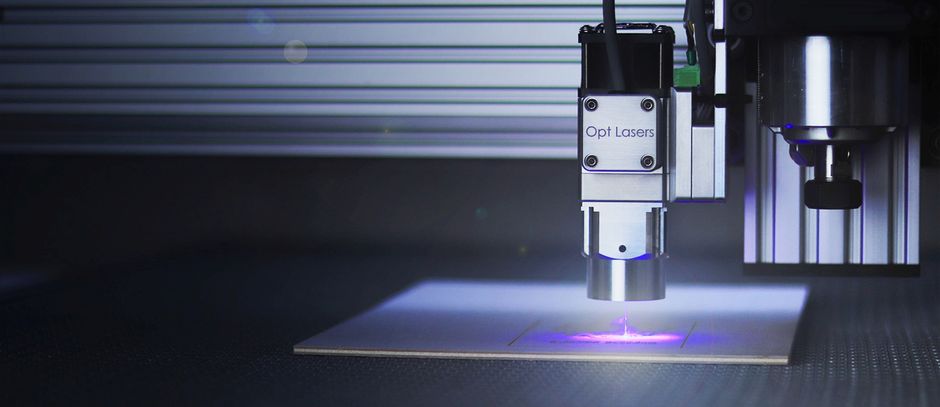
Why Quantum Physics Needs Imaginary Numbers
For decades, physicists viewed imaginary numbers as a mathematical shortcut. Recent experiments prove they are a physical necessity to describe our universe.
Measured
The Inherited Memory of the Nematode’s Meal
The microscopic roundworm Caenorhabditis elegans can pass a learned avoidance of pathogenic bacteria down to its offspring for four generations using absorbed bacterial RNA molecules.
Measured
The Quantum Ghost in the Decay: Measuring Entanglement in Single Particle Shatters
By measuring the spin entanglement of top quark pairs produced at the Large Hadron Collider, physicists are transforming high-energy particle decays into ultra-sensitive quantum sensors.
Measured
The Thatcher Illusion in the Wild: How Macaque Brains Decode Face Inversion
A famous visual illusion shows that our brains cannot process upside-down faces. New neurological mapping in macaques reveals the exact cortical patches responsible for this delay.
Measured
The Memory of the Yellow Slime
A brainless, single-celled organism uses fluid dynamics to print physical memories of food into its own tubular body, rewriting how we define cognition.
Measured
The Zero-Viscosity Climb of Helium-II
When cooled below 2.17 Kelvin, liquid helium-4 completely loses its viscosity, allowing a micro-thick film to crawl up and over the walls of its beaker in a macroscopic display of quantum mechanics.
Measured
The Negative Mass Experiment: How Rubidium Atoms Flow Backward When Pushed
By cooling rubidium atoms to near absolute zero, physicists created a fluid with negative effective mass that accelerates backward when pushed, defying standard inertia.
Measured
The Chubby Face Illusion: Why Inverting a Portrait Erases Our Perception of Weight
Rotating a portrait upside down disables the brain's specialized neural pathways for calculating body mass index from facial cues, revealing a strange quirk in human visual processing.
Measured
The Fractional Quantum Hall Effect Without a Magnet
Physicists at the University of Washington measured the fractional quantum Hall effect without an external magnetic field, using stacked sheets of molybdenum ditelluride.
Measured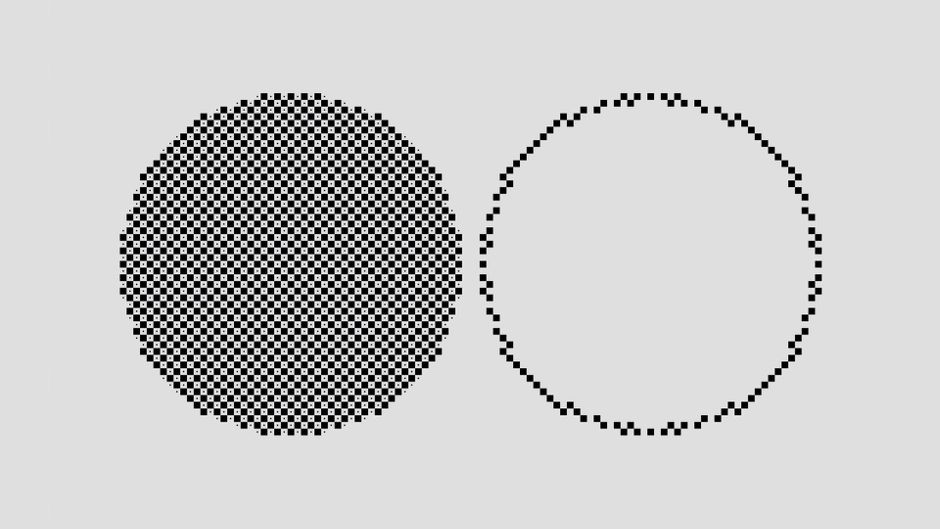
The Grid Illusion That Fades When You Look at It
The scintillating grid illusion populates your vision with dark, ghostly dots that vanish the moment you look directly at them, revealing how the brain reconstructs reality from incomplete peripheral data.
Measured
The Quantum Casimir Torque that Spins Gold in the Dark
In 2019, Harvard physicists proved that empty space can physically twist objects. By suspending a microscopic gold flake, they measured the long-theorized quantum Casimir torque.
Measured
The McCollough Effect: The Color Illusion That Stays in Your Eyes for Months
Stare at red and green stripes for a few minutes, and black-and-white grids will look colored for days. The McCollough effect reveals how our visual cortex adapts to environmental patterns.
Measured
The Aristotelian Illusion: Why Two Fingers Make One Marble Feel Like Two
Crossing your fingers and touching a single object splits it into two distinct perceptions, revealing how the brain's hardwired spatial coordinate systems resist immediate remapping.
Measured
The Yeast That Kept Two Genomes
One hundred million years ago, the ancestor of brewer's yeast duplicated its entire genome. New research shows how it survived the chaotic aftermath to colonize a sugary planet.
Measured
The Quantum Zeno Effect: Why a Watched Atom Never Decays
Physicists have demonstrated that observing an unstable quantum system repeatedly prevents it from ever changing. This turns a philosophical paradox into a measurable laboratory reality.
Measured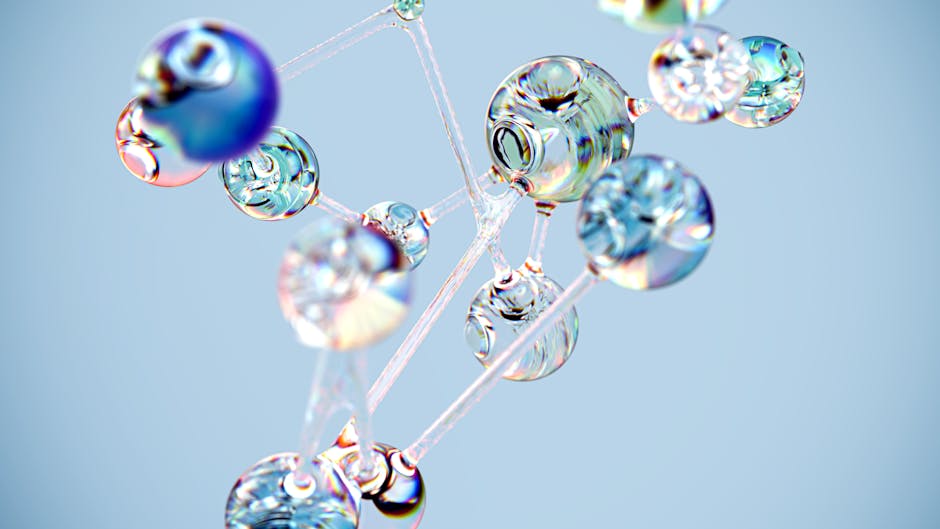
The Glass That Remembers How You Cool It
Researchers at TU Darmstadt have measured a hidden "material time" inside glass, proving the material retains a thermodynamic memory of past temperature changes.
Measured
The Room-Temperature Quantum Compass of the European Robin
How the European robin uses retinal cryptochrome-4 proteins to map Earth’s weak magnetic field through quantum coherence.
Measured
The Lilac Chaser and the Ghost in Your Retina
How a classic 2005 visual illusion by Jeremy Hinton reveals the brain's aggressive system for erasing static reality to detect change.
Measured
The Negative Leap Second: Why a Speeding Earth Demands We Erase a Tick of the Clock
Earth's core is slowing down while the planet itself spins faster, setting up an unprecedented crisis for global computer networks that must soon delete a second of atomic time.
Measured Physics
Time Crystals: The Matter That Moves Forever
In 2021, physicists using Google's quantum computer built a time crystal: a new phase of matter that keeps a steady rhythm forever, without winding down — even sitting in its lowest-energy state. Frank Wilczek proposed the idea in 2012, it was proven impossible in true…
Measured Biology
Your Other Immune System Remembers (Trained Immunity)
The textbook said only your adaptive immune system (T and B cells) has memory, and your innate system — the first responders — is a blunt, forgetful instrument. Half of that is now falling apart.
Measured Physics
The Force That Comes From Nothing (The Casimir Effect)
Put two uncharged metal plates a hair apart in a vacuum and they get measurably shoved together — harder the closer they get. Hendrik Casimir predicted it in 1948, and it was confirmed to a few percent by Steven Lamoreaux in 1997 and sharpened a year later.
Measured Biology
Your Cells Can Hand Over Their Power Plants (Mitochondrial Transfer)
Mitochondria — the engines inside every cell — were supposed to be private property, sealed in and inherited only when a cell divides. They're not.
Measured Physics
The Fact That Isn't a Fact for Everyone (Wigner's Friend)
A friend seals herself in a lab and measures a quantum particle. She gets a definite result — a fact.
Measured Biology
The Cells That Come Back From the Dead
Apoptosis — programmed cell death — was long treated as a one-way door. Once a cell switches on its executioner caspases and its DNA starts fragmenting, it was assumed to be gone.
Measured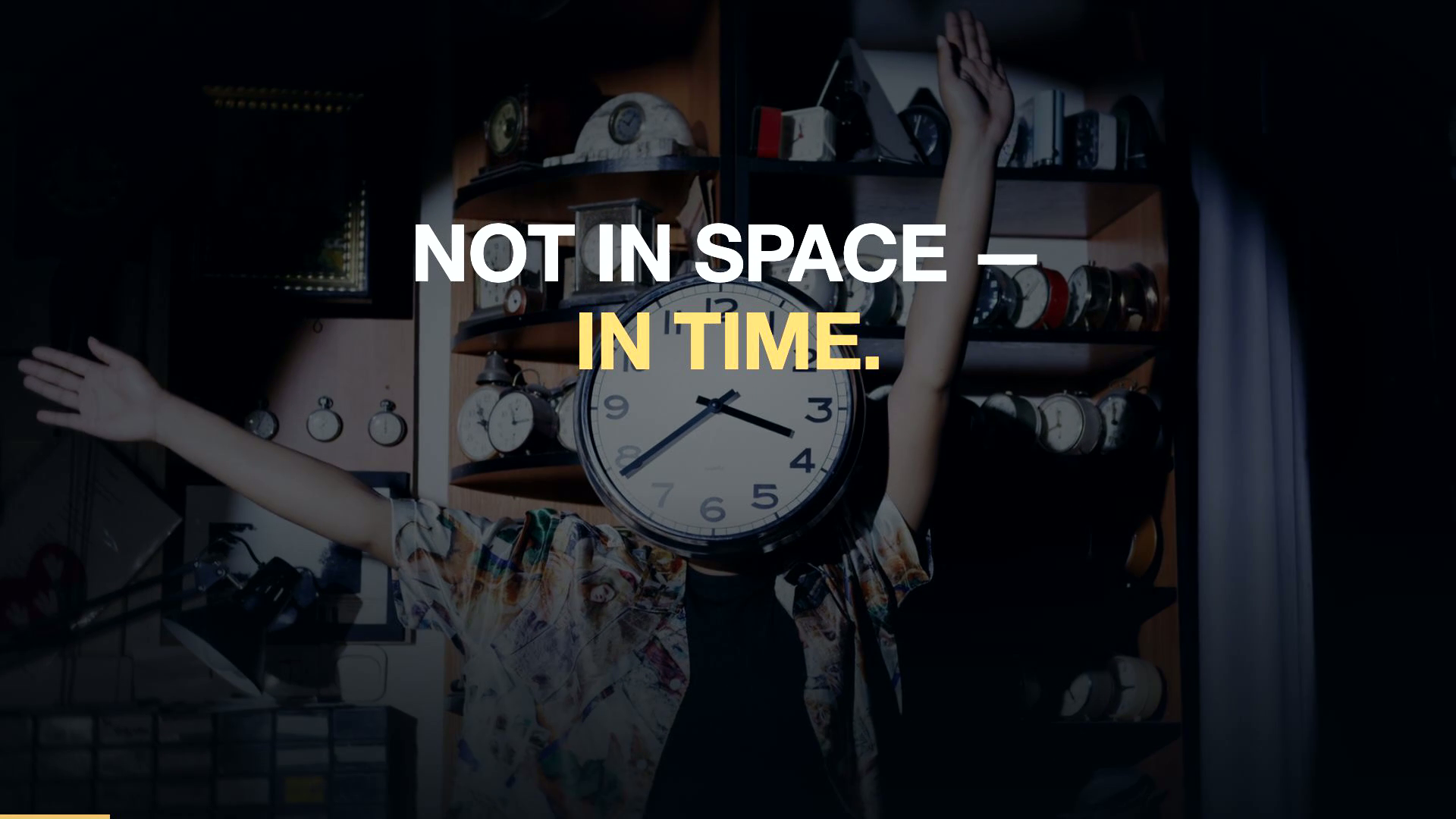 Physics
Scientists Built a Mirror for Time
For all of history, a mirror could only reflect you in space — left becomes right, but the moment stays the same. In 2023, physicists built the other kind: a mirror in time.
Measured Physics
The Truth About Hot Water Freezing First
Everyone's heard that hot water can freeze faster than cold — the Mpemba effect. Here's the honest version: in ordinary water it's genuinely disputed, a tangle of evaporation and convection that careful experiments often can't reproduce.
Measured Perception
You Have Never Felt Your Own Touch (Efference Copy)
Two kids in a schoolyard shove each other, and within three rounds both are screaming that the other one hit harder. Neither is lying — they are both telling the truth.
Measured Biology
You Are Not Made of Only Your Own Cells (Microchimerism)
You think of your body as yours — one genome, one person, grown from a single cell. It isn't quite true.
Measured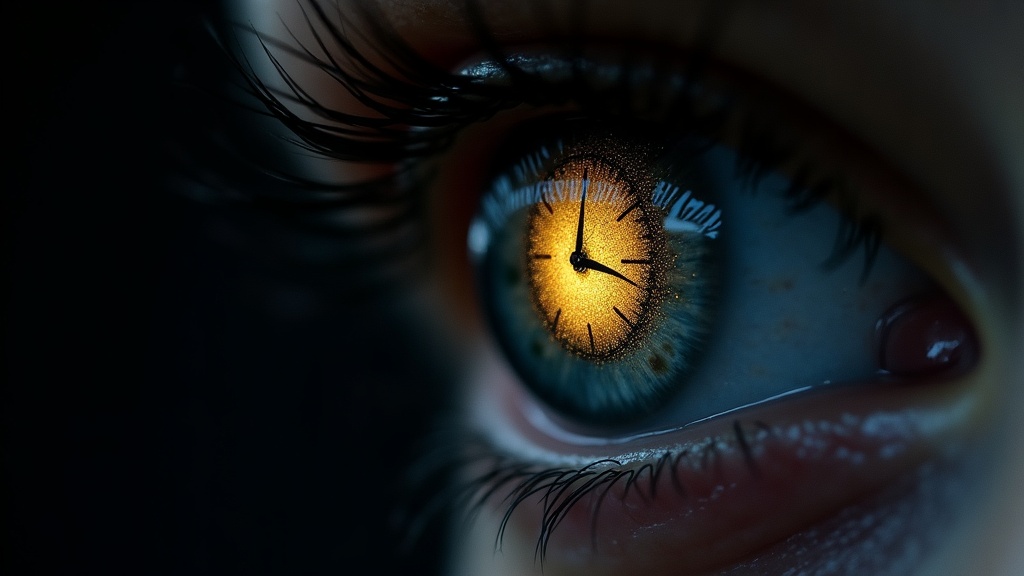 Perception
You Have a Blind Spot in Time (The Attentional Blink)
You have a blind spot — not in space, like the one every textbook shows you, but in time. Lock onto one thing, and for roughly half a second afterward a second thing can hit your eye, be fully processed by your brain — its meaning extracted — and then be discarded before you are…
Measured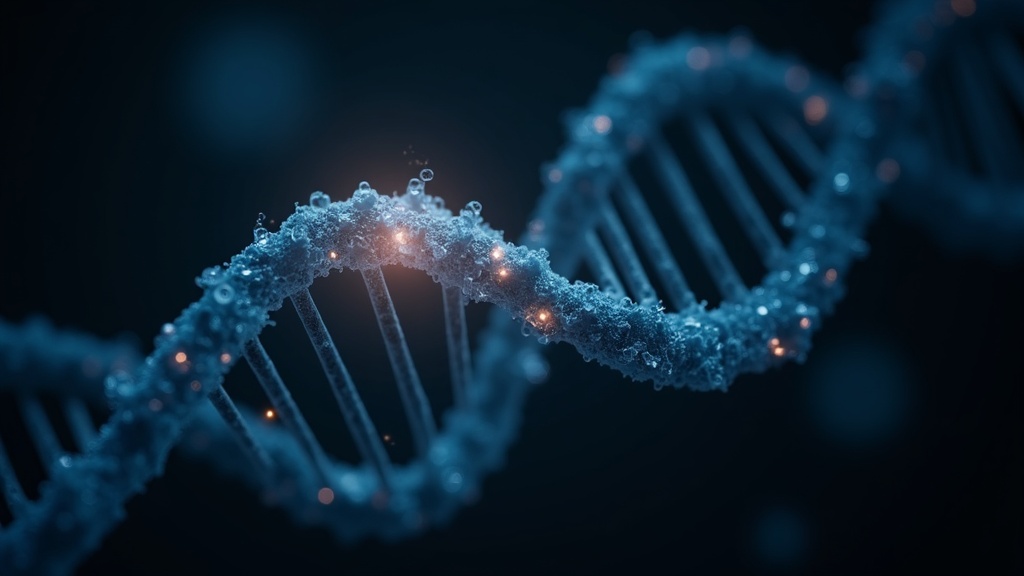 Biology
You Are Part Virus (8% of Your DNA)
Somewhere in the 3 billion letters of your DNA are the corpses of ancient viruses — and they make up about 8% of your entire genome, four times more than the genes that actually build your body. Most are silent fossils.
Measured Perception
Seeing Without Knowing You See (Blindsight)
A man who is genuinely blind — not blindfolded, blind — is asked to walk down a corridor cluttered with boxes and chairs. He weaves around every one and reaches the end untouched, then insists the hallway was empty and he saw nothing.
Measured Math
The Hidden Law That Catches Liars (Benford's Law)
Take any big pile of real-world numbers — country populations, river lengths, a year of bank transactions — and look only at the first digit of each. You'd guess a "1" shows up about 1 time in 9 (11%).
Measured Perception
You Go Blind Every Time You Move Your Eyes (Saccadic Masking)
Look at your left eye in a mirror, then your right eye, back and forth. You will never catch your eyes moving — even though someone watching you sees them flick clearly.
Measured Biology
You Are Two Creatures (The Bacteria That Became You)
You think of yourself as one organism, built from one genome. But inside nearly every one of your cells is a second, separate loop of DNA — kept apart from your own, and written in the format of a bacterium.
Measured Biology
The Same Gene Builds Your Eye and a Fly's (Pax6)
Your eye is a camera — one lens, one chamber. A fly's eye is a mosaic of thousands of tiny tubes.
Measured Physics
The Liquid That Escapes Every Cup (Superfluid Helium)
Every liquid you have ever handled has one thing in common: it stays where you pour it. Superfluid helium doesn't.
Measured Biology
You Were Carved by Death (How Apoptosis Shaped You)
You think of your body as something that was built — cells added, tissue grown, fingers extended outward. That's only half the story.
Measured Physics
To Freeze an Atom, Just Look at It (The Quantum Zeno Effect)
A watched pot never boils — it's just a saying. Except in the quantum world, it's literally true.
Measured Physics
Deleting a File Warms the Universe (Landauer's Principle)
Delete a file, empty the trash, and you do something with a fundamental, unavoidable physical cost: you warm the universe. Just slightly — but never zero.
Measured Biology
A Hiccup Is a Fish Trying to Breathe (Why You Hiccup)
A hiccup makes no sense. It pulls in a breath and instantly seals it shut, so almost no air gets through.
Measured Perception
Your Memory Is Not a Recording (It's Rewritten Every Time)
Bring to mind a vivid memory — a childhood birthday, a first kiss, a day you're certain of. It plays like a video, frame by frame, the way it really was.
Measured Perception
Evolution Doesn't Want You Happy (The Hedonic Treadmill)
Think about the last thing you really wanted. You got it — and for a while it was wonderful.
Measured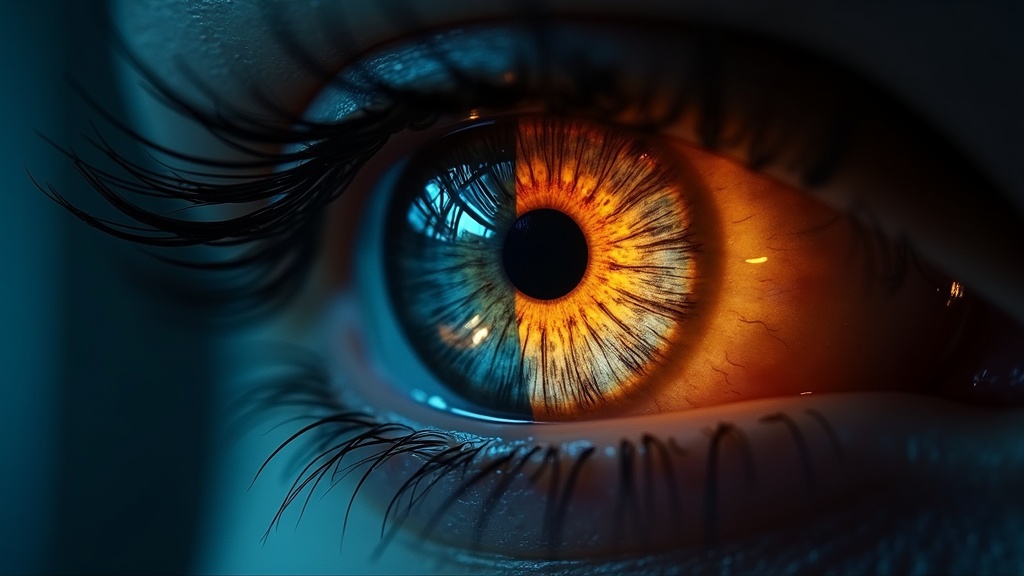 Perception
Your Eyes Are Wired Backwards (and an Octopus Proves It)
Look at anything. It feels like a flawless, effortless window onto the world.
Measured Biology
The Nerve That Proves Evolution (The Giraffe's 15-Foot Mistake)
Somewhere inside the neck of a giraffe, right now, a single nerve is doing something so stupid no engineer would ever allow it. To carry a signal a few inches from the brain to the voice box, it runs all the way down the giraffe's enormous neck, loops around an artery next to…
Measured Physics
The Sun Shouldn't Shine (Quantum Tunneling Explained)
Right now, 93 million miles away, the Sun is doing something the laws of classical physics say it cannot do. Its core is far too cold to fuse hydrogen — the protons simply don't have the energy to overcome their own electric repulsion.
Measured Physics
You Have Never Touched Anything (Here's the Physics)
Put your hand flat on the nearest surface and press down. You can feel it — solid, cool, undeniably there.
Measured Physics
The Universe Is Not Locally Real (and a Nobel Prize Proved It)
There is a sentence physicists can now say out loud, backed by a Nobel Prize, that sounds like a fever dream: the universe is not locally real. "Local" means nothing can influence anything faster than light.
Measured Physics
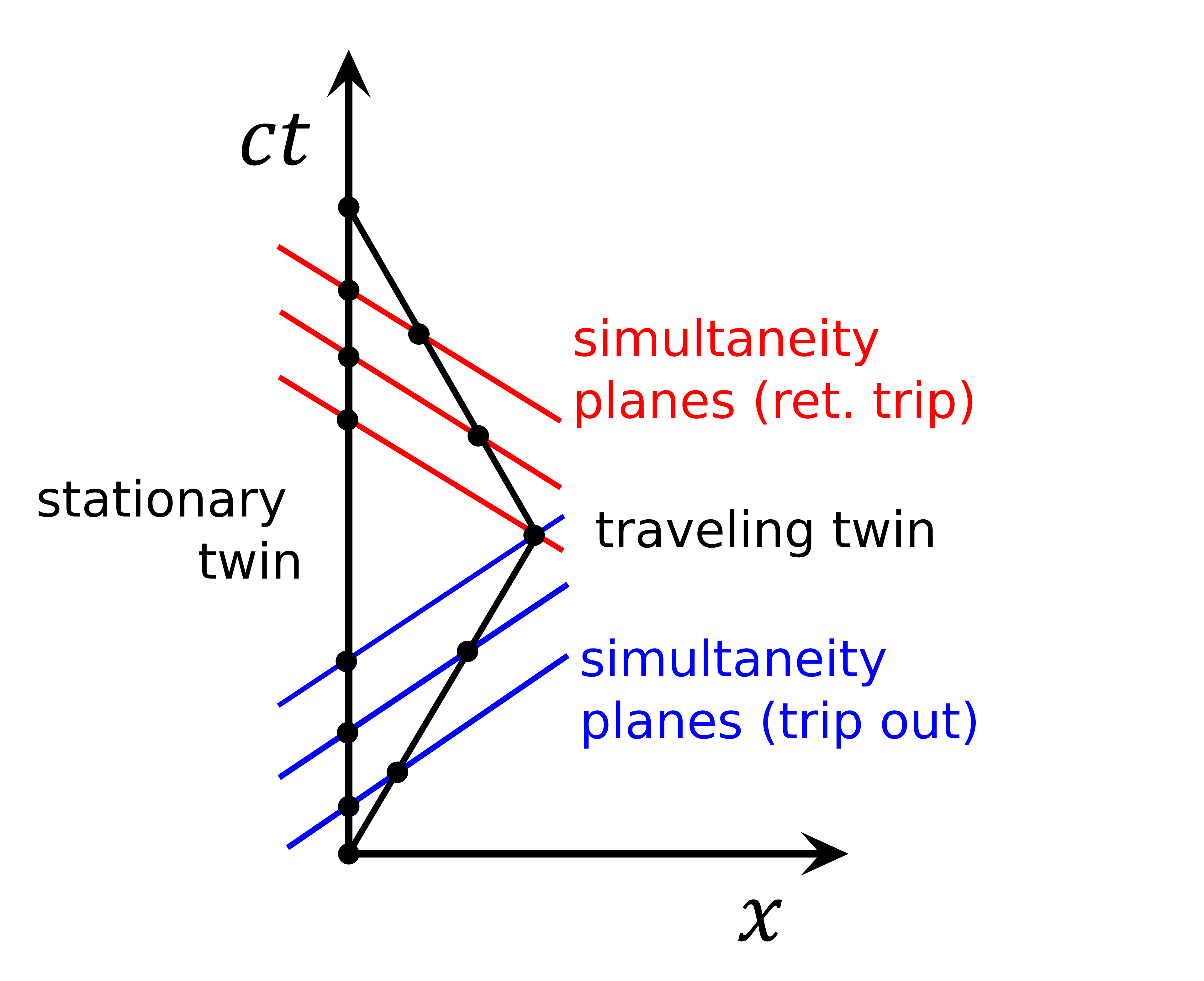
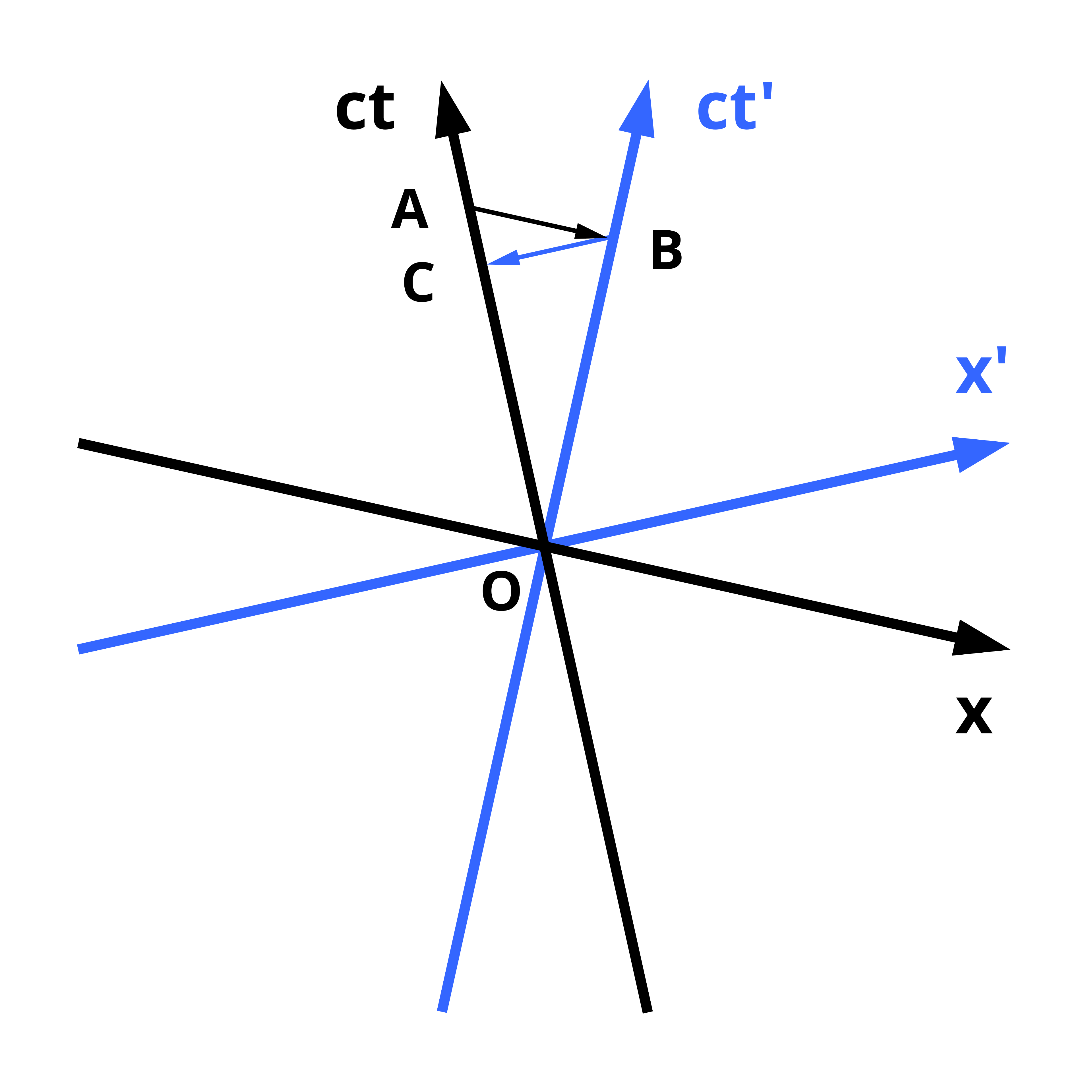
"Now" Is a Lie — Why the Present Doesn't Exist
Say the word "now." It feels like a single instant the whole universe shares. It isn't.
Measured Physics
Your Head Is Older Than Your Feet
Right now, time is passing faster at your head than at your feet. Not as a feeling.
Measured